How to Create a Daily Routine for Your Dog: A Veterinarian’s Practical Guide to Structure, Behavior, and Health
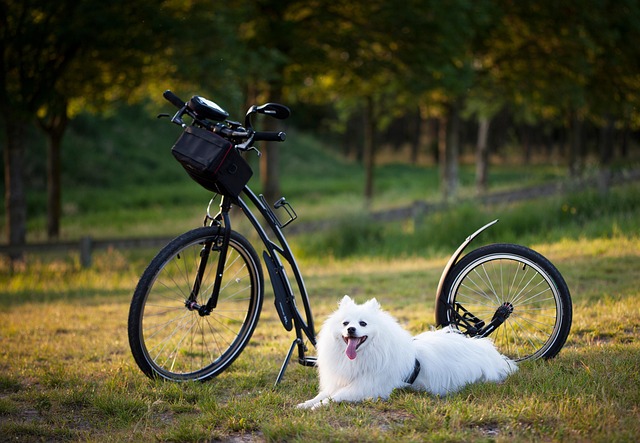
In veterinary practice, one of the most overlooked factors behind behavioral problems is not training itself, but the absence of structure. Dogs are routine-oriented animals. When their day is unpredictable, we often see secondary issues develop over time — anxiety, restlessness, excessive barking, or even digestive changes related to stress.
A consistent daily routine is not about strict scheduling for convenience. It is a biological and behavioral need that directly affects a dog’s emotional stability and physical health.
Why a Daily Routine for Dogs Is Important for Health and Behavior
Dogs rely heavily on predictable patterns to feel secure. Unlike humans, they do not interpret time abstractly; instead, they learn through repetition and expectation.
In clinical work, we frequently observe that dogs with structured daily routines show fewer behavioral complaints and recover faster from stress-related conditions.
A stable routine helps:
- Reduce anxiety and stress behaviors
- Improve digestion and bowel regularity
- Stabilize energy levels throughout the day
- Support better sleep patterns
- Improve training responsiveness
One of the most common situations we see is a dog presented for “behavioral problems” that improves significantly once feeding, walking, and rest times become consistent.
How to Create a Daily Routine for Your Dog Step by Step
A good routine is built around three biological pillars: exercise, nutrition, and rest, while regular grooming helps maintain skin, coat, and overall comfort.
Dogs do not need complex schedules, but they do need predictability.
Core Structure of a Healthy Dog Daily Routine
Most adult dogs do well with a simple structure:
Morning walk, feeding, rest period, mid-day activity (if needed), evening walk, and calm nighttime routine.
In practice, the exact timing matters less than consistency. Dogs quickly learn the rhythm of the day and adjust their behavior accordingly.
How to Create a Daily Routine for a Puppy
Puppies require more frequent structure due to their developing bladder control, energy levels, and learning capacity.
A typical puppy routine includes:
Frequent toilet breaks every 2–4 hours
Multiple short play sessions
Short training intervals
Regular naps throughout the day
In veterinary behavior practice, we often emphasize that puppies do not need long structured exercise. Instead, they need repetition and calm transitions between activity and rest.
How to Create a Daily Routine for an Adult Dog
Adult dogs benefit most from balanced consistency.
In most healthy adult dogs, two main walks per day are sufficient, combined with feeding at the same times and predictable rest periods.
We often see that dogs with irregular feeding or walking schedules develop attention-seeking behaviors, especially in the evening hours.
A long-tail question frequently asked is “what is the best daily routine for an adult dog at home?” — clinically, the answer is always the same: consistency beats intensity.
How to Create a Daily Routine for a Senior Dog
Senior dogs require a more flexible but still structured approach.
While activity levels may decrease, routine becomes even more important for cognitive stability.
In older dogs, we often observe confusion or anxiety when daily patterns suddenly change. This is especially relevant in dogs with early cognitive dysfunction.
A senior routine usually includes shorter walks, more frequent rest periods, and carefully timed feeding schedules.
Dog Feeding Schedule as Part of a Daily Routine
Feeding is one of the strongest behavioral anchors in a dog’s day.
Most adult dogs do well with two meals per day, spaced evenly.
In clinical practice, irregular feeding schedules are commonly associated with digestive sensitivity, begging behavior, and increased anxiety around food.
Consistency in feeding time helps regulate not only digestion but also overall behavioral predictability.
How Much Exercise Should Be in a Dog’s Daily Routine?
Exercise is a central component of routine, but it should match the dog’s breed and energy level.
In practice, we see clear differences:
High-energy dogs require longer and more structured physical activity, while low-energy breeds often do better with moderate but consistent walks.
What matters most is not the length of exercise alone, but its daily repetition.
Example of a Balanced Daily Routine for Dogs
A practical example for a healthy adult dog might look like this:
Morning walk followed by feeding and rest
Short midday activity or enrichment session
Evening walk with light training or play
Quiet rest period before sleep
Dogs adapt quickly to this structure, and within days most owners notice calmer behavior and fewer spontaneous activity spikes.
Common Mistakes in Creating a Dog Routine
In veterinary consultations, we often see similar mistakes repeated:
- Inconsistent feeding times
- Irregular walking schedule
- Too much stimulation in the evening
- Lack of rest periods after activity
- Changing routine frequently without transition
One of the most underestimated issues is overstimulation without structured downtime. Dogs that are constantly active without rest often develop behavioral fatigue that looks like hyperactivity.
How Long Does It Take a Dog to Adapt to a New Routine?
Most dogs adjust to a new routine within one to two weeks.
Younger dogs adapt faster, while senior dogs may take longer due to established behavioral patterns.
In clinical observation, consistency during the transition period is the strongest predictor of success.
Signs That Your Dog’s Routine Is Working Well
A well-balanced routine typically results in:
- Stable energy levels during the day
- Predictable bowel movements
- Reduced anxiety or destructive behavior
- Improved sleep at night
- Better focus during training sessions
Behavioral stability is usually the first noticeable improvement.
Can a Poor Routine Affect a Dog’s Health?
Yes, and the effects are often underestimated.
Irregular routines can contribute to:
- Stress-related gastrointestinal issues
- Behavioral disorders
- Obesity or weight fluctuations
- Sleep disturbances
- Increased reactivity or anxiety
In practice, many “behavioral cases” improve significantly once structure is restored without medication.
Final Veterinary Perspective
A daily routine is not about controlling a dog’s life. It is about creating predictability in a way that supports natural behavior and biological needs.
In clinical experience, dogs with consistent routines tend to be more stable, easier to train, and healthier over time.
The most important principle is simple: dogs do not need perfect schedules, but they do need consistent ones.
Frequently Asked Questions
How do I create a daily routine for my dog?
Start by setting consistent times for feeding, walking, and rest. Dogs respond best to repetition and predictable daily structure.
What is a good daily routine for a dog?
A good routine includes morning and evening walks, fixed feeding times, regular rest periods, and short enrichment or play sessions.
How long does it take a dog to adjust to a routine?
Most dogs adapt within 1–2 weeks if the routine is consistent and changes are introduced gradually.
Can changing routine affect my dog’s behavior?
Yes. Sudden changes can cause stress, anxiety, and behavioral issues, especially in sensitive or older dogs.
Do dogs need a strict schedule every day?
No. Dogs do not need strict timing, but they do need consistent patterns for feeding, walking, and rest.