How Often Should You Brush Your Dog? Grooming Schedule by Breed, Coat Type, and Skin Health
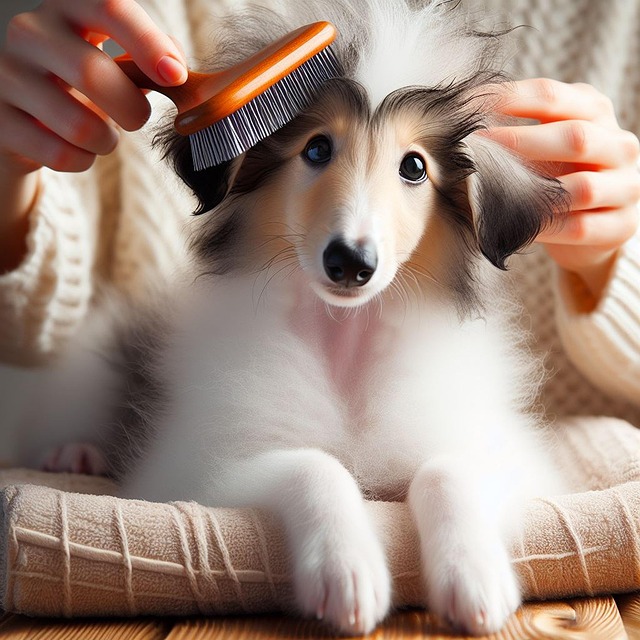
In veterinary practice, brushing is often underestimated. Many owners treat it as a cosmetic step, something done “when the dog looks messy.” But in reality, coat brushing is a key part of skin health, especially in long-haired and double-coated breeds.
What we see clinically is quite consistent: dogs that are brushed regularly tend to have fewer skin infections, fewer matting-related issues, and better overall coat condition. On the other hand, neglected coats quickly become a medical problem rather than a grooming issue.
So the question “how often should you brush your dog?” is really about preventing skin disease, not just keeping the coat tidy.
Brushing is just one part of a broader preventive care routine that also includes bathing, nail care, dental hygiene, and regular health checks.
How Often Should You Brush Your Dog? General Veterinary Recommendation
For most healthy dogs, brushing 2–3 times per week is a reasonable baseline.
However, this varies significantly depending on coat type. Some dogs need daily brushing, while others only require occasional grooming.
In practice, we often tell owners that brushing frequency is not about strict schedules, but about preventing mat formation and maintaining healthy skin airflow.
Dogs with long or dense coats especially benefit from regular brushing because it helps distribute natural skin oils and removes dead hair before it accumulates.
How Often Should You Brush a Dog by Coat Type?
Coat structure is the most important factor in determining grooming frequency.
Short-haired dogs such as Beagles, Boxers, or Dobermans typically need brushing once or twice per week. Even though they don’t mat easily, regular brushing helps remove loose hair and improves skin circulation.
Medium-coated dogs like Golden Retrievers, Cocker Spaniels, and Border Collies usually require brushing 3–5 times per week. These breeds are prone to seasonal shedding, and in clinical practice we often see skin irritation develop when dead hair is not removed regularly.
Long-haired breeds such as Shih Tzus, Maltese, or Yorkshire Terriers often need daily brushing. Without consistent grooming, mats form quickly, especially behind the ears, under the legs, and around the collar area. Once mats form, they can pull on the skin and create localized inflammation.
Double-coated breeds like Huskies and German Shepherds usually benefit from brushing 2–4 times per week, with increased frequency during seasonal shedding periods. One common clinical observation is that owners underestimate how much undercoat these breeds actually shed until skin problems or matting appears.
How Often Should You Brush a Puppy?
Puppies should be introduced to brushing early, even if their coat does not yet require intensive grooming.
A gentle brushing routine 2–3 times per week is usually enough.
In practice, early brushing is less about coat maintenance and more about behavioral conditioning. Dogs that are accustomed to grooming early in life tend to tolerate veterinary handling and professional grooming much better as adults.
Introducing grooming as part of a predictable care routine can also make other daily activities easier and reduce resistance to handling as the dog grows. A daily routine for your dog can include grooming alongside feeding, walks, exercise, and rest.
We often see adult dogs with grooming anxiety simply because brushing was never introduced gradually during puppyhood.
How Often Should You Brush a Senior Dog?
Senior dogs often require adjustments in grooming routines.
Some older dogs develop dry, sensitive skin and benefit from gentler brushing with softer tools. Others may have reduced mobility and are less able to groom themselves, especially in hard-to-reach areas.
In clinical work, we frequently notice matting developing more quickly in senior dogs with arthritis or reduced activity, simply because grooming becomes more difficult for them.
For most senior dogs, brushing 2–4 times per week is appropriate, adjusted based on coat condition and comfort level.
Why Regular Dog Brushing Is Important for Skin Health
Brushing is not just cosmetic. It plays a direct role in maintaining skin health.
Regular brushing helps:
- Remove dead hair and debris
- Prevent mat formation
- Improve air circulation to the skin
- Distribute natural skin oils
- Reduce shedding inside the home
In veterinary dermatology, we often see that chronic skin irritation in long-haired dogs improves significantly once proper grooming routines are established.
Brushing also works together with appropriate bathing rather than replacing it. How often you should bathe a dog depends on coat type, skin condition, activity level, and lifestyle.
One important point from practice: many “itchy dog” cases are not primary allergies but secondary irritation caused by neglected coat care.
How Often Should You Brush a Dog That Sheds a Lot?
Heavy shedding dogs require more frequent grooming, especially during seasonal coat changes.
During shedding seasons, daily brushing may be necessary for breeds like Huskies, Labradors, and German Shepherds.
In practice, if loose undercoat is not removed regularly, it tends to trap moisture and debris, which can contribute to skin irritation and unpleasant odor.
A long-tail question we often hear is “how often should I brush my dog during shedding season?” — and the answer is simple: as often as needed to remove loose undercoat, sometimes even daily.
Can You Brush a Dog Too Much?
Yes, although it is less common than under-brushing.
Over-brushing with harsh tools can cause:
- Skin irritation
- Microabrasions
- Sensitivity in short-haired breeds
- Stress in sensitive dogs
We occasionally see this in dogs whose owners are trying to manage shedding aggressively with inappropriate grooming tools.
The key is not frequency alone, but technique and tool selection.
What Affects How Often You Should Brush Your Dog?
Brushing frequency depends on several interacting factors:
Coat length and density
Seasonal shedding cycles
Skin sensitivity
Activity level and outdoor exposure
Grooming history and consistency
Two dogs of the same breed can have completely different grooming needs depending on environment and lifestyle.
Signs Your Dog Needs Brushing
Rather than following rigid schedules, it is often more accurate to observe coat condition.
Common indicators include visible tangles, increased shedding around the home, coat dullness, or mild skin irritation under areas where the coat is starting to mat.
In clinical practice, owners often notice odor or coat heaviness before visible matting becomes obvious.
How to Brush a Dog Safely (Veterinary Recommendations)
Safe brushing is about technique as much as frequency.
The brush should always match the coat type. Slicker brushes, undercoat rakes, and bristle brushes each serve different purposes and should not be used interchangeably.
Brushing should be gentle and gradual, especially in sensitive areas like behind the ears, under the legs, and around the tail base.
One common mistake we see in practice is owners brushing too aggressively through mats instead of carefully detangling them, which can lead to skin trauma.
Final Veterinary Perspective
From a clinical standpoint, brushing is one of the simplest yet most effective preventive care tools for dog skin health.
In practice, dogs with consistent grooming routines almost always have fewer dermatological problems, better coat quality, and improved comfort.
The most important takeaway is that brushing is not occasional maintenance — it is a regular health habit that directly affects skin condition and quality of life.
Frequently Asked Questions
How often should you brush your dog on average?
Most dogs benefit from brushing 2–3 times per week, but long-haired breeds may require daily grooming.
How often should I brush a dog that sheds a lot?
During shedding seasons, daily brushing may be necessary, especially for double-coated breeds.
Can you brush a dog too much?
Yes, excessive or aggressive brushing can irritate the skin, especially in short-haired or sensitive breeds.
How often should you brush a puppy?
Puppies should be brushed 2–3 times per week to build tolerance and maintain coat health.
What happens if you don’t brush your dog?
Lack of brushing can lead to matting, skin irritation, increased shedding, and secondary skin infections in some cases.