High Creatinine in Dogs: Kidney Disease and Blood Test Results
Elevated creatinine in dogs is one of the most important biochemical findings in veterinary medicine. In practice, it is often the first signal that prompts a deeper investigation of kidney function. However, creatinine should never be interpreted as a diagnosis on its own — it is a marker that reflects changes in glomerular filtration rate (GFR), hydration status, and overall renal perfusion.
From clinical experience, we frequently see cases where a mild increase in creatinine is discovered incidentally during routine screening in otherwise healthy-looking dogs. In such situations, early diagnostic work-up can make a significant difference in identifying kidney disease at a stage when intervention is still effective.
What Is Creatinine in Dogs and Why It Matters
Creatinine is a metabolic byproduct of creatine breakdown in skeletal muscle. It is produced at a relatively constant rate and eliminated almost entirely by the kidneys.
Because of this steady production and renal excretion, creatinine is widely used as an indirect indicator of kidney filtration efficiency. However, in clinical practice, we never rely on it in isolation. Muscle mass, hydration status, and concurrent disease can all influence its interpretation.
Creatinine does not measure kidney damage directly — it reflects how well the kidneys are filtering blood at a given moment.
Normal Creatinine Levels in Dogs (Blood Test Reference Range)
Typical reference values for canine serum creatinine are:
- 44–133 µmol/L (0.5–1.5 mg/dL)
These ranges may vary slightly between laboratories.
In practice, it is important to remember that “normal” does not always mean “healthy kidneys.” Dogs with low muscle mass may have deceptively normal creatinine despite reduced kidney function, while large or highly muscular dogs may sit at the upper end of the reference range without disease.
This is why creatinine is always interpreted alongside urine concentration and other renal markers.
What Does High Creatinine in Dogs Mean?
A persistent increase in creatinine generally indicates a reduction in the kidneys’ ability to filter waste products from the blood. However, the underlying cause can vary widely.
Clinically, we categorize causes into three groups:
- Pre-renal (dehydration, reduced blood flow)
- Renal (primary kidney damage)
- Post-renal (urinary obstruction)
Correct classification is essential because treatment and prognosis differ significantly between these categories.
Elevated Creatinine and Kidney Function in Dogs
When creatinine increases due to true renal impairment, it usually indicates a substantial loss of functional nephron mass.
In practice, we often observe that clinical signs appear later than biochemical changes. The kidneys have a strong compensatory capacity, meaning that a dog may appear relatively stable even when a significant portion of renal function has already been lost.
This is one reason early screening is so important, especially in senior patients.
Acute Kidney Injury vs Chronic Kidney Disease in Dogs
Differentiating acute kidney injury (AKI) from chronic kidney disease (CKD) is one of the most critical steps in clinical evaluation.
Acute kidney injury (AKI):
- develops over hours to days
- often associated with toxins, infections, ischemia, or obstruction
- may be reversible if treated promptly
Chronic kidney disease (CKD):
- develops gradually over months to years
- involves irreversible loss of functional nephrons
- requires long-term management rather than cure
In clinical practice, history, prior lab results, and kidney imaging are often essential for accurate differentiation.
Common Causes of High Creatinine in Dogs
Chronic Kidney Disease (CKD) in Dogs
CKD is the most common cause of persistent azotemia in older dogs. It reflects progressive, irreversible nephron loss.
From clinical experience, owners often first notice increased thirst and urination long before diagnosis is made, as early disease can remain clinically silent.
Dehydration and Temporary Creatinine Increase
Dehydration is one of the most frequent non-renal causes of elevated creatinine.
Reduced circulating volume leads to decreased renal perfusion and transient decline in filtration rate.
In many cases seen in practice, creatinine levels return toward normal after fluid therapy, confirming a functional rather than structural problem.
Urinary Tract Obstruction in Dogs
Post-renal obstruction (uroliths, prostatic enlargement, or urethral blockage) can cause rapid and severe increases in creatinine.
This is a true emergency. Without prompt decompression, back pressure within the urinary system can quickly lead to secondary kidney damage.
Infections and Toxins Affecting Kidney Function
Acute kidney injury may result from infectious or toxic insults, including:
- ethylene glycol (antifreeze) intoxication
- nephrotoxic drugs
- severe bacterial pyelonephritis
- systemic infections affecting renal perfusion
These cases often present with sudden and severe biochemical abnormalities.
Symptoms of High Creatinine in Dogs
Clinical signs depend on severity and progression rate.
Increased Thirst and Urination in Dogs
Polydipsia and polyuria are among the earliest and most commonly reported signs of renal dysfunction.
In practice, owners often describe it simply as “my dog started drinking much more water,” which is frequently the first clue of underlying disease.
Lethargy and Weakness in Dogs
Lethargy results from accumulation of uremic toxins and metabolic imbalance.
Dogs may appear less active, sleep more, and show reduced interest in normal activities, which is often initially mistaken for aging.
Loss of Appetite and Weight Loss
Anorexia is a clinically significant sign of progressing azotemia.
From experience, appetite changes often mark the point at which owners finally seek veterinary attention, even if earlier signs were subtle.
Vomiting and Gastrointestinal Signs in Dogs
In more advanced stages, uremia can lead to gastrointestinal manifestations such as:
- nausea
- vomiting
- diarrhea
- uremic breath odor
These signs are typically associated with more severe renal dysfunction.
How Vets Diagnose High Creatinine in Dogs
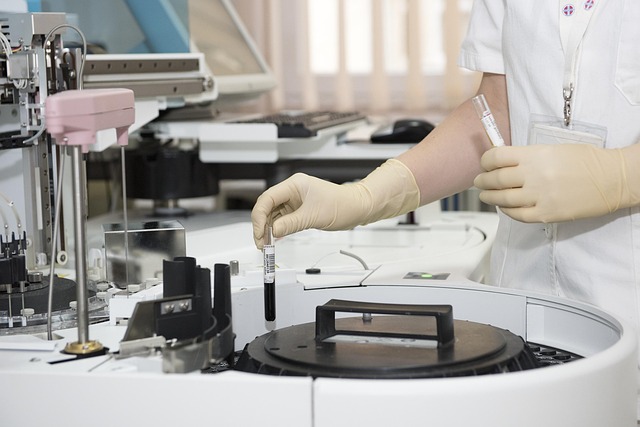
Diagnosis requires a multi-parameter approach rather than reliance on a single blood value.
Blood Urea Nitrogen (BUN) and Creatinine Ratio in Dogs
The BUN-to-creatinine ratio helps differentiate dehydration from intrinsic renal disease.
However, in clinical practice, interpretation must always be combined with hydration status and urine findings.
SDMA Test and Early Kidney Disease Detection
SDMA is a more sensitive biomarker of reduced GFR and may increase earlier than creatinine.
We often use SDMA when creatinine is still within the reference range but clinical suspicion of kidney disease is present.
Urinalysis and Urine Specific Gravity in Dogs
Urine specific gravity (USG) is a key diagnostic parameter.
Inappropriately dilute urine in the presence of azotemia strongly supports renal dysfunction.
When High Creatinine in Dogs Is an Emergency
Immediate intervention is required in cases of:
- suspected urinary obstruction
- absence or marked reduction of urine output
- severe vomiting or anorexia
- rapid clinical deterioration
- profound lethargy or collapse
These situations require urgent stabilization and diagnostic confirmation.
Treatment Options for High Creatinine in Dogs
Treatment depends entirely on the underlying cause.
IV Fluids and Hospital Treatment for Dogs
Intravenous fluid therapy is the cornerstone of management in dehydration and acute kidney injury. It aims to restore perfusion, support filtration, and correct electrolyte disturbances.
Diet Changes for Dogs With Kidney Disease
Renal diets are a key component of long-term management in CKD. They reduce phosphorus load and help slow disease progression.
In practice, dietary modification often has a meaningful impact on quality of life.
Medications and Supportive Care for Dogs
Supportive therapy may include:
- antiemetics
- appetite stimulants
- phosphate binders
- antihypertensive drugs
- antimicrobial therapy when indicated
Can Dogs Recover From High Creatinine Levels?
Prognosis depends entirely on etiology:
- Pre-renal causes (e.g., dehydration): usually fully reversible
- Acute kidney injury: variable outcome, depending on severity and timing of treatment
- Chronic kidney disease: irreversible but often manageable long-term
In clinical practice, early detection remains the most important prognostic factor.
Frequently Asked Questions
Is high creatinine in dogs always kidney disease?
No. While kidney disease is a common cause, elevated creatinine may also result from dehydration, urinary obstruction, decreased renal perfusion, or certain medications.
Can dehydration cause high creatinine in dogs?
Yes. Dehydration reduces renal blood flow and can lead to a temporary rise in creatinine, which often normalizes after fluid therapy.
How fast does kidney disease progress in dogs?
Progression varies widely. Some dogs remain stable for years, while others deteriorate more rapidly depending on the underlying cause and stage at diagnosis.
What is a dangerous creatinine level in dogs?
There is no single “dangerous” threshold. Clinical severity depends on laboratory findings in combination with symptoms, urine output, and overall patient condition.