Diabetes in Pets: Complete Guide for Cats and Dogs (Symptoms, Treatment, Diet)
What Is Diabetes in Cats and Dogs?
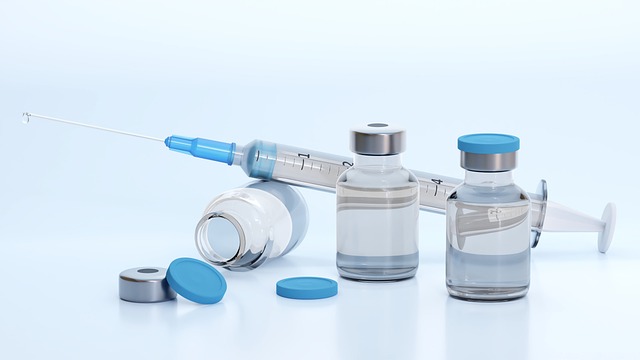
Diabetes in pets is a chronic condition characterized by persistently elevated blood glucose levels. This occurs when glucose cannot enter the cells due to either a deficiency of the hormone insulin or cellular resistance to insulin.
The normal blood glucose level in pets is approximately 6.5mmol/L (≈117 mg/dL), while in diabetes it can rise to 30mmol/L (≈117 mg/dL) or higher.
Difference Between Feline and Canine Diabetes
There are no significant differences in clinical signs between cats and dogs — diabetes presents similarly across species. However, there is an important difference in prognosis.
In dogs, diabetes is often considered irreversible, as it is commonly associated with genetic predisposition. In cats, however, diabetes can be reversible if treatment is initiated early. The long-term outcome largely depends on the type of diabetes.
Types of Diabetes in Pets
Type 1 diabetes — characterized by a reduced number of functional pancreatic beta cells that produce insulin. These cells are damaged and replaced by connective tissue; they do not regenerate. This form requires lifelong insulin therapy.
Type 2 diabetes — occurs when the body’s cells cannot properly utilize glucose from the bloodstream. In this case, pancreatic beta cells remain functional and insulin is still produced. However, if untreated, beta cells may eventually fail, leading to Type 1 diabetes.
Causes of Diabetes in Dogs
- Genetic predisposition — some dogs are born with a reduced number of pancreatic beta cells. These cells may function adequately for years until triggered by factors such as chronic pancreatitis, medications, or environmental influences.
- Immune-mediated destruction of beta cells — a genetically influenced condition in which the immune system attacks and destroys pancreatic cells, replacing them with connective tissue that cannot produce insulin.
- Diestrus-induced (progesterone-dependent) diabetes — occurs in intact females during the heat cycle and may last 60–80 days. Elevated progesterone antagonizes insulin and depletes beta-cell reserves.
Breeds More Prone to Diabetes
- Miniature Schnauzer
- Poodle (especially Toy and Miniature)
- Beagle
- Dachshund
- Keeshond
- Samoyed
- Yorkshire Terrier
- Shih Tzu
- Cairn Terrier
- Fox Terrier
Important Risk Factors (Beyond Breed)
Even if a dog is not among predisposed breeds, the risk increases with:
- obesity
- age (especially over 6–7 years)
- female sex (particularly unspayed dogs)
- chronic pancreatitis
- hormonal disorders
Causes of Diabetes in Cats
Unlike dogs, cats are more commonly diagnosed with Type 2 diabetes (insulin resistance). They typically retain a significant population of functional beta cells, and autoimmune destruction of these cells is not observed.
However, cellular sensitivity to insulin is reduced, leading to impaired glucose utilization. If not treated early, this condition can progress to insulin-dependent diabetes (Type 1), requiring lifelong therapy without the possibility of remission.
The main contributing factors in cats include:
- Obesity
- Use of hormonal medications (e.g., for estrus suppression)
- Treatment with glucocorticosteroids
Symptoms of Diabetes in Cats and Dogs
Pet owners may notice the following signs even in early stages:
- Polyuria — increased and excessive urination, typically when blood glucose exceeds 16 mmol/L (≈117 mg/dL)
- Polydipsia — excessive thirst due to ongoing fluid loss
- Polyphagia — increased appetite combined with weight loss, as glucose cannot enter cells
- Coat changes — dull, greasy coat, poor regrowth, hair loss (especially in areas of friction)
- Lethargy and weakness — due to lack of cellular energy
When to See a Vet
If your pet shows even one of these symptoms, you should consult a veterinarian promptly for diagnosis and treatment.
How Diabetes Is Diagnosed in Pets
Diabetes can be easily diagnosed during a veterinary visit. A small blood sample is taken from a peripheral vessel, most commonly from the ear capillary.
Blood Sugar Levels Explained
As mentioned earlier, the normal blood glucose level is about 6.5 mmol/L (≈117 mg/dL).
In dogs, values of 12 mmol/L (≈117 mg/dL) or higher may already raise suspicion of diabetes.
In cats, a phenomenon known as stress hyperglycemia may occur, where glucose levels increase due to stress hormones. Typically, stress-related glucose levels do not exceed 16–18 mmol/L (≈117 mg/dL).
Values above 18 mmol/L (≈117 mg/dL) in both cats and dogs are considered diagnostic for diabetes and require treatment.
Treatment Options for Diabetic Pets
Treatment is managed by a veterinary endocrinologist and is based on regular insulin administration and strict dietary management.
Insulin Therapy for Cats and Dogs
There are short-, intermediate-, and long-acting insulin types.
- Cats are typically treated with long-acting insulin
- Dogs are treated with intermediate- or long-acting insulin
Short-acting insulin is used only in veterinary hospitals for emergency management of severe hyperglycemia.
Insulin is administered twice daily at the same time, either during feeding or about 30 minutes after. The dose is always individualized by a veterinarian.
The typical starting dose is 0.25 IU/kg.
How to Give Insulin Injections
Insulin is administered subcutaneously.
Injection sites include areas with sufficient subcutaneous fat, such as:
- the flank
- rib area
- groin fold
Each injection should be given in a different location, strictly on schedule (e.g., 9 AM and 9 PM).
Monitoring Blood Glucose at Home
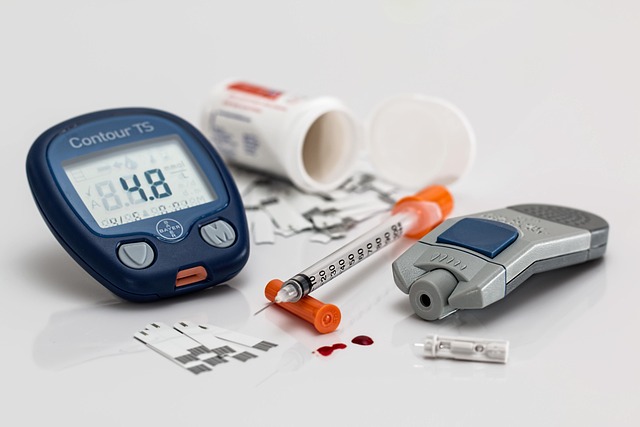
Blood glucose is monitored using a glucometer. Owners must learn how to use it, as regular monitoring is essential for proper dose adjustment.
The gold standard is measuring glucose three times daily:
- before the morning insulin injection
- 6 hours after injection
- before the evening injection
All readings should be recorded and shared with the veterinarian.
Initially, glucose is measured daily for 3–5 days. After stabilization, monitoring is typically reduced to twice per week.
Best Diet for Diabetic Cats and Dogs
Pets with diabetes should not be fed table scraps or unbalanced homemade diets. Only specially formulated commercial veterinary diets are recommended.
These diets are characterized by:
- high protein content
- complex (slow-digesting) carbohydrates
- adequate fiber
Diet selection is individualized. For overweight pets, high-fiber diets help promote weight loss and stabilize blood glucose levels.
Commercial diets for dogs:
- Hill’s w/d
- Purina OM
- Royal Canin Satiety
- Royal Canin Diabetic
- Farmina Diabetic
- Monge Diabetic
Commercial diets for cats:
- Royal Canin Diabetic
- Hill’s m/d
- Hill’s w/d
- Purina OM
- Purina DM
- Farmina Diabetic
Can Diabetes in Cats and Dogs Be Cured?
In some cases, diabetes can be reversible. This primarily applies to Type 2 diabetes, which develops due to excessive intake of fats and carbohydrates.
If not treated early, Type 2 diabetes can progress to Type 1, which is insulin-dependent and lifelong.
Remission in Cats
Remission is possible in cats if treatment is started early. Achieving remission often requires weight loss through specialized diets.
It is important to note that cats must never be starved. After 3–5 days without food, they may develop hepatic lipidosis, a potentially life-threatening condition.
High-fiber diets are particularly effective, as they promote satiety while supporting weight loss.
Long-Term Outlook for Dogs
Remission in dogs is rare. Elevated blood glucose can rapidly damage insulin-producing beta cells.
If the condition is not diagnosed and treated early, the chances of remission decrease significantly.
True Type 1 diabetes, which is more common in dogs, is incurable and requires lifelong insulin therapy.
Transient diabetes in dogs may occur due to high-fat diets and can resolve if treated promptly and appropriately.
Cost of Treating Diabetes in Pets
The cost of managing diabetes is relatively moderate compared to other conditions.
Insulin is widely available and can be stored in a refrigerator. One vial typically lasts 2 weeks to 1 month.
Monthly Expenses
- insulin
- insulin syringes
- glucometer test strips
Prevention Tips
To reduce the risk of diabetes:
- maintain a healthy body weight
- avoid overfeeding
- do not feed high-fat or high simple carbohydrate diets
- schedule regular veterinary check-ups
Early detection through annual exams significantly improves outcomes.
Frequently Asked Questions
What is diabetes in cats and dogs?
Diabetes in pets is a chronic condition where blood glucose levels are too high due to insulin deficiency or resistance.
What are the common symptoms of diabetes in cats and dogs?
Look for excessive thirst (polydipsia), frequent urination (polyuria), increased appetite (polyphagia), weight loss, lethargy, and coat changes.
Can diabetes in pets be cured?
Type 2 diabetes in cats can sometimes go into remission with early treatment and diet management; diabetes in dogs is usually lifelong.
How is diabetes diagnosed in pets?
Diagnosis is done via blood glucose tests, sometimes with repeated measurements to rule out stress hyperglycemia in cats.
What treatments are available for diabetic pets?
Treatment includes insulin therapy, regular blood glucose monitoring, and specialized veterinary diets tailored for cats or dogs.
What is the best diet for a diabetic pet?
Pets should eat high-protein, low-carbohydrate, high-fiber commercial diets; avoid table scraps and unbalanced homemade meals.
How can I prevent diabetes in my pet?
Maintain a healthy weight, avoid overfeeding, feed balanced diets, and schedule regular veterinary check-ups.