Diabetes Symptoms in Cats: Early Signs, Symptoms and Warning Signs
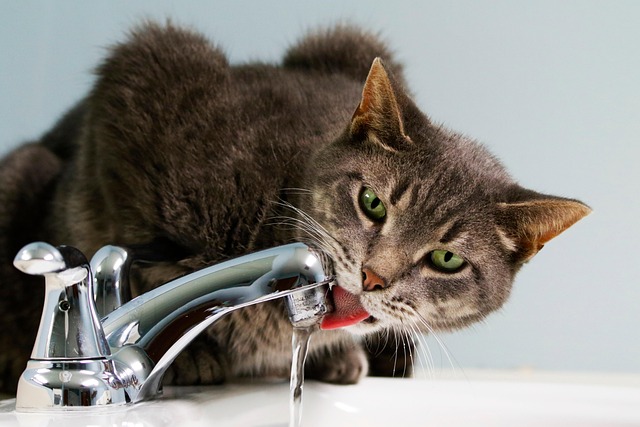
The first signs of diabetes in a cat are often easy to miss.
A cat may start drinking more water, produce larger urine clumps in the litter box, or gradually lose weight even though its appetite has not changed. Some cats become less active or develop weakness in their back legs. These changes can develop slowly over several weeks, so owners sometimes do not realize that anything is wrong until the signs become more obvious.
The classic symptoms of diabetes in cats are increased thirst, increased urination, increased appetite, and weight loss. Other signs, including lethargy and diabetic neuropathy, may appear as the disease progresses.
What Are the Signs of Diabetes in Cats?
Feline diabetes affects the way the body uses glucose. When insulin is insufficient or does not work effectively, blood glucose rises. Once glucose levels become high enough, glucose is lost in the urine. This increases urine production and, in turn, makes the cat thirstier.
The most common signs include:
| Sign | What you may notice at home |
|---|---|
| Increased thirst | Your cat drinks more often or the water bowl empties faster |
| Increased urination | Larger urine clumps or more frequent trips to the litter box |
| Increased appetite | The cat seems hungry soon after eating |
| Weight loss | The cat becomes noticeably thinner despite eating normally |
| Reduced activity | More sleeping, less playing or jumping |
| Hind-leg weakness | Difficulty jumping or walking with the hocks closer to the floor |
| Poor coat condition | Less grooming and a dull or unkempt coat |
Not every diabetic cat has all of these signs. Some cats have only a few noticeable changes, particularly early in the disease.
Increased Thirst and Urination in Cats
Drinking more and urinating more often are two of the most recognizable symptoms of feline diabetes.
The two usually occur together.
When glucose is persistently elevated, the kidneys begin excreting glucose into the urine. Glucose draws water with it, so the cat produces more urine than usual. The resulting fluid loss makes the cat drink more to compensate.
This is why an owner may suddenly notice that a previously untouched water bowl needs to be refilled much more often.
The litter box can provide an equally useful clue. In a cat using clumping litter, the urine clumps may become considerably larger.
Still, increased thirst and urination are not specific to diabetes. Chronic kidney disease, hyperthyroidism, some medications, and other medical problems can cause the same pattern.
How Much Drinking Is Too Much for a Cat?
There is no reliable way to diagnose diabetes simply by looking at how often a cat visits the water bowl.
What matters first is a persistent change from the cat’s usual behavior.
If your cat has always been a modest drinker and suddenly starts drinking frequently, that change deserves attention, especially if you are also seeing weight loss or larger urine clumps.
Increased Appetite in Diabetic Cats
Many diabetic cats develop polyphagia, meaning an increased appetite.
This can be confusing because the cat may eat more while losing weight at the same time.
The problem is not necessarily that there is too little glucose in the blood. The problem is that glucose cannot be used normally by tissues when insulin action is inadequate. The body therefore responds as though it is not receiving enough usable energy.
In practice, this combination is worth taking seriously:
good or increased appetite + unexplained weight loss
It is not unique to diabetes, though. Hyperthyroidism and several gastrointestinal diseases can produce a similar pattern, particularly in older cats.
Weight Loss Is an Important Sign of Diabetes in Cats
A diabetic cat can lose a noticeable amount of weight without becoming less interested in food.
This happens because the body starts relying more heavily on stored fat and protein when glucose cannot be used normally.
For owners, gradual weight loss can be difficult to recognize. Long-haired cats are especially good at hiding changes in body shape.
This is one reason regular weighing is useful. A change that is almost invisible when looking at the cat may be obvious on a scale.
The 2026 AAHA guidelines also recommend assessing both body condition and muscle condition in cats because changes in these parameters can provide important clinical information.
My Cat Is Losing Weight but Still Eating — Could It Be Diabetes?
It could be, but diabetes is not the only possibility.
Weight loss despite a normal or increased appetite can also occur with hyperthyroidism, intestinal disease, parasites, chronic inflammation, and other conditions.
A cat that is losing weight without an obvious reason should be examined rather than put on a higher-calorie diet without first finding out why the weight is being lost.
Tiredness and Reduced Activity
Diabetic cats do not always look obviously ill.
Sometimes the change is simply that a cat is less interested in normal activities.
You might notice that your cat:
- sleeps more than before
- stops jumping onto favorite furniture
- plays less
- moves around the house less
- seems weaker after normal activity
These changes are nonspecific, but they become more meaningful when they occur alongside increased thirst, urination, or weight loss.
In an older cat, reduced activity should not automatically be dismissed as “just getting old.”
Hind-Leg Weakness and Diabetic Neuropathy
One of the more distinctive complications of feline diabetes is diabetic peripheral neuropathy.
It usually affects the hind limbs.
The classic appearance is a plantigrade stance. Instead of standing normally on the toes, the cat stands with the hocks much closer to the ground.
Owners may describe the cat as walking strangely, becoming reluctant to jump, or seeming weak in the back legs.
This occurs because prolonged abnormal glucose metabolism can damage peripheral nerves. The 2026 AAHA guidelines identify peripheral neuropathy affecting the rear limbs as a classic manifestation of feline diabetes.
However, not every cat with an abnormal gait has diabetic neuropathy. Arthritis, spinal disease, injury, and neurological disorders can look similar.
A new change in walking should therefore be assessed by a veterinarian.
Changes in Grooming and Coat Quality
Cats usually spend a significant amount of time grooming themselves.
When a cat stops grooming properly, something is often bothering it.
A diabetic cat may develop a coat that looks greasy, dull, or generally less well maintained. This is not a specific symptom of diabetes, but it can accompany reduced activity and general illness.
I would be more concerned when a coat change appears together with weight loss, increased drinking, or a change in litter-box habits.
Can a Cat Have Diabetes Without Obvious Symptoms?
Yes.
Feline diabetes does not always announce itself dramatically.
Some owners notice only a gradual change in drinking or body weight. Others do not recognize a problem until the cat develops weakness or becomes noticeably thinner.
The onset of diabetes is often insidious, and clinical signs may progress over weeks or months.
This is particularly relevant for cats that already have other chronic conditions, because changes in appetite, weight, or activity can easily be attributed to another problem.
Early Signs of Diabetes in Cats
There is no single symptom that appears first in every diabetic cat.
However, the following changes are worth watching:
- the water bowl empties faster than usual
- urine clumps become larger
- the cat asks for food more frequently
- body weight starts falling
- muscle over the back or hind limbs becomes less noticeable
- the cat jumps less often
- grooming becomes less thorough
A useful habit is to monitor your cat’s weight, appetite, water consumption, and litter-box habits together rather than focusing on one symptom.
That gives your veterinarian much more useful information if a problem develops.
Diabetes Symptoms in Older Cats
Diabetes can occur at any age, but most cats diagnosed with diabetes are adults, and the condition becomes particularly relevant in middle-aged and older cats.
This age group also has a higher risk of other diseases that can look very similar.
For example, an older cat that drinks and urinates more may have:
- diabetes mellitus
- chronic kidney disease
- hyperthyroidism
- urinary tract disease
- another systemic disorder
That is why symptoms alone are not enough to determine the cause.
Can Stress Cause High Blood Sugar in Cats?
Yes, and this is an important point when interpreting feline blood glucose results.
Cats can develop stress hyperglycemia during transportation, handling, or a veterinary visit. Blood glucose may therefore be elevated even when the cat does not have diabetes.
This is one reason a single high glucose reading should not automatically be interpreted as a diagnosis of diabetes.
The 2026 AAHA guidelines state that a diagnosis requires evidence of sustained hyperglycemia, which can be demonstrated in several ways, including elevated fructosamine or repeated hyperglycemia/glucosuria outside a stressful environment.
So if your cat’s blood glucose is unexpectedly high at the clinic, your veterinarian may recommend additional testing rather than immediately labeling the cat diabetic.
How Is Diabetes Diagnosed in Cats?
Symptoms are an important part of the assessment, but they are not enough by themselves.
A veterinarian will usually combine the history and physical examination with blood and urine testing.
Depending on the case, the workup may include:
| Test | Why it may be used |
|---|---|
| Blood glucose | Detects hyperglycemia |
| Urinalysis | Looks for glucose and other urinary abnormalities |
| Fructosamine | Helps assess whether hyperglycemia has been sustained |
| CBC | Looks for evidence of other disease |
| Blood chemistry | Assesses organ function, electrolytes and metabolic abnormalities |
| Total T4 | Helps evaluate hyperthyroidism in appropriate cats |
| Ketone/BHB testing | Important when ketosis or diabetic ketoacidosis is suspected |
| Home glucose monitoring or CGM | Can help assess glucose away from the stress of the clinic |
The 2026 AAHA guidelines recommend a broader laboratory assessment in cats with clinical signs suggestive of diabetes rather than relying on glucose alone.
Why Is Fructosamine Helpful?
Fructosamine reflects average blood glucose over approximately the previous 7–10 days.
That makes it useful when a veterinarian needs to distinguish persistent hyperglycemia from a temporary rise associated with stress.
It is not a perfect test and should be interpreted in context. Certain conditions can affect fructosamine concentrations, so the result should not be viewed in isolation.
When Are Diabetes Symptoms in Cats an Emergency?
Most cats with the early signs described above do not need an emergency hospital simply because they are drinking more or losing weight.
They do need a veterinary appointment.
The situation is different when a cat becomes acutely unwell.
Urgent veterinary assessment is needed if a cat develops:
- repeated vomiting
- marked weakness
- refusal to eat
- severe lethargy
- dehydration
- difficulty standing
- collapse
- rapid deterioration
These signs can occur with diabetic ketoacidosis (DKA), a potentially life-threatening complication of diabetes. Newly diagnosed diabetic cats with substantial clinical compromise, particularly vomiting, poor appetite, and dehydration, should be evaluated for DKA.
What Should I Do If I Think My Cat Has Diabetes?
Don’t try to confirm diabetes at home from symptoms alone.
Instead, make a short record of what has changed.
It is helpful to note:
Water: Is your cat drinking noticeably more?
Litter box: Are urine clumps larger or more frequent?
Food: Is appetite unchanged, increased, or decreased?
Weight: Has your cat become thinner?
Activity: Is your cat jumping and playing normally?
Walking: Is there any weakness or an unusual stance?
Bring this information to the veterinary appointment. It can be surprisingly useful, particularly when the changes have developed gradually.
Do not start insulin or change medication based on a glucose reading obtained at home without veterinary guidance.
Diabetes Symptoms in Cats: What Matters Most?
There is no need to wait until every classic symptom appears.
The combination that should raise suspicion is:
increased thirst + increased urination + weight loss
Increased appetite makes the picture even more suggestive, although some cats do not show obvious polyphagia.
Hind-leg weakness is another useful clue, particularly when a cat develops a plantigrade stance.
At the same time, none of these findings is diagnostic on its own. Kidney disease, hyperthyroidism, urinary disease, gastrointestinal problems, and stress-related changes can produce overlapping signs.
The diagnosis of feline diabetes should therefore be based on the clinical picture plus evidence of sustained abnormal glucose regulation, not on one symptom or one stressed blood sample.
Final Thoughts
The signs of diabetes in cats are often subtle at first.
A cat may simply start drinking more, producing larger urine clumps, or becoming thinner. Later, weakness, reduced activity, or changes in grooming may become noticeable.
The important thing is not to wait for the entire textbook list of symptoms.
If you notice a persistent change in thirst, urination, appetite, body weight, or activity, it is worth discussing with your veterinarian. These signs can have several causes, and proper testing is needed to determine whether diabetes is actually responsible.
The good news is that feline diabetes can often be managed successfully. With appropriate treatment and monitoring, many diabetic cats maintain a comfortable quality of life, and some can eventually achieve diabetic remission.
Frequently Asked Questions
What are the most common symptoms of diabetes in cats?
The classic signs are increased thirst, increased urination, increased appetite, and weight loss. Some cats also develop lethargy or hind-leg weakness caused by diabetic neuropathy.
What is the first sign of diabetes in a cat?
There is no single first sign in every cat. Increased drinking, larger urine clumps, gradual weight loss, and increased appetite are among the changes owners commonly notice first.
Why is my cat losing weight but still eating?
Diabetes is one possible cause. Other possibilities include hyperthyroidism, gastrointestinal disease, parasites, and chronic systemic illness. Unexplained weight loss should be investigated rather than assumed to be diabetes.
Does a diabetic cat always drink a lot of water?
No. Increased thirst is common, but not every diabetic cat shows obvious polydipsia, particularly early in the disease.
Can stress cause high blood sugar in cats?
Yes. Stress can cause substantial temporary hyperglycemia in cats. This is why persistent hyperglycemia must be distinguished from a stress response when diagnosing diabetes.
Can diabetes cause weakness in a cat's back legs?
Yes. Diabetic peripheral neuropathy can cause hind-leg weakness and a plantigrade stance, although other neurological and orthopedic conditions can cause similar changes.
Can an older cat suddenly develop diabetes?
Yes. Diabetes is more common in adult and older cats, although it can occur at any age.
How is diabetes confirmed in cats?
Veterinarians look for evidence of sustained hyperglycemia. Depending on the case, this may involve repeated glucose measurements, fructosamine, urinalysis, or glucose monitoring outside the stressful clinic environment.
When is diabetes in a cat an emergency?
Vomiting, refusal to eat, severe weakness, dehydration, collapse, or rapid deterioration require urgent veterinary attention because serious complications such as diabetic ketoacidosis may be present.