How Often Should Cats Go to the Vet? A Veterinarian’s Complete Guide to Cat Checkups and Preventive Care
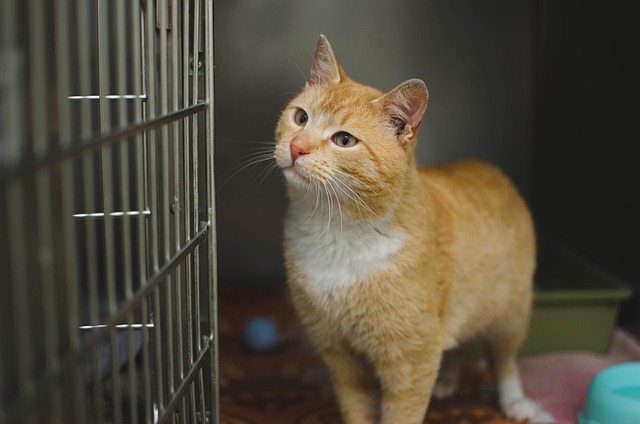
Many cat owners assume that veterinary visits are only necessary when a cat becomes visibly ill. Unfortunately, cats are masters at hiding discomfort and disease. In veterinary practice, we frequently diagnose significant health conditions during routine wellness exams in cats that appear perfectly healthy at home.
This is especially true for conditions such as chronic kidney disease, hyperthyroidism, dental disease, diabetes, and hypertension. By the time obvious symptoms develop, these diseases may already be advanced.
Regular veterinary visits are one of the most effective ways to protect your cat’s long-term health, improve quality of life, and identify problems before they become difficult or expensive to manage.
Why Regular Veterinary Visits Are Important for Cats
Preventive veterinary care is not simply about vaccinations. A routine examination allows your veterinarian to evaluate your cat’s overall health, identify subtle changes, and establish health trends over time.
Regular checkups help:
- Detect illness before symptoms appear
- Monitor body weight and body condition
- Evaluate dental health
- Assess kidney and urinary function
- Update vaccinations and parasite prevention
- Monitor age-related changes
- Establish baseline laboratory values
One of the most common situations we encounter in practice is a cat presented for an annual wellness exam with no apparent symptoms. Routine bloodwork then reveals early kidney disease or hyperthyroidism that would otherwise have remained unnoticed.
How Often Should Cats Go to the Vet?
The answer depends on age, lifestyle, and existing medical conditions.
Recommended Cat Vet Visit Schedule by Age
| Cat Age | Recommended Vet Visits |
|---|---|
| Kittens (0–12 months) | Every 3–4 weeks during vaccination period |
| Healthy Adults (1–7 years) | Once yearly |
| Mature Cats (7–10 years) | Every 6–12 months |
| Senior Cats (10+ years) | Every 6 months |
| Cats With Chronic Diseases | As recommended by veterinarian |
While annual visits are considered the minimum standard for healthy adult cats, many veterinarians now recommend more frequent wellness evaluations as cats age.
How Often Should Indoor Cats Go to the Vet?
One of the most common misconceptions among cat owners is that indoor cats rarely need veterinary care.
While indoor cats face fewer risks from trauma, infectious disease, and outdoor parasites, they remain susceptible to many serious health conditions.
In veterinary practice, indoor cats are frequently diagnosed with:
- Obesity
- Dental disease
- Chronic kidney disease
- Diabetes mellitus
- Arthritis
- Hyperthyroidism
Because these conditions often develop gradually, annual wellness exams remain important even for cats that never leave the house.
Do Indoor Cats Need Annual Vet Visits?
Absolutely.
Many owners are surprised when routine laboratory testing identifies a medical problem in a cat that appears healthy.
One case I frequently recall involved a 9-year-old indoor cat whose owner scheduled an annual checkup simply because it was due. The cat was eating normally, maintaining weight, and behaving as usual. Routine blood testing revealed early-stage kidney disease. Because the condition was detected early, dietary modifications and monitoring were started immediately, helping preserve kidney function for years.
This is one reason annual wellness examinations remain essential for indoor cats.
How Often Should Outdoor Cats Go to the Vet?
Outdoor cats generally require closer veterinary monitoring.
Compared to indoor cats, outdoor cats face increased exposure to:
- Fleas and ticks
- Intestinal parasites
- Infectious diseases
- Bite wounds
- Abscesses
- Environmental toxins
In practice, outdoor cats often present with injuries or infections that owners never witnessed.
Regular examinations help ensure that minor problems do not become major health issues.
Kitten Vet Visit Schedule: The First Year of Life
The first year is the most intensive period for veterinary care.
First Vet Visit for Kittens
Most kittens should have their first veterinary appointment between 6 and 8 weeks of age or shortly after adoption.
The initial visit typically includes:
- Physical examination
- Weight assessment
- Parasite screening
- Vaccination planning
- Nutrition guidance
Early veterinary care helps establish a strong foundation for lifelong health.
Kitten Vaccination Schedule
Vaccination schedules vary slightly by region, but most kittens receive vaccinations every 3–4 weeks until approximately 16 weeks of age.
| Age | Veterinary Care |
|---|---|
| 6–8 weeks | First vaccines |
| 10–12 weeks | Booster vaccines |
| 14–16 weeks | Final kitten boosters |
| Around 1 year | Adult booster |
Deworming and Parasite Prevention
Intestinal parasites are extremely common in young kittens.
Even healthy-looking kittens may carry parasites without obvious symptoms. Regular deworming remains an essential part of preventive care.
Adult Cat Vet Checkup Schedule
Annual Veterinary Exams for Healthy Adult Cats
Most healthy adult cats should receive a comprehensive veterinary examination at least once every year.
These visits allow veterinarians to:
- Track weight trends
- Evaluate dental health
- Assess organ function
- Discuss nutrition
- Identify subtle abnormalities
Many diseases are easier to manage when identified during routine screenings rather than after symptoms appear.
Preventive Health Screenings for Adult Cats
Modern feline medicine relies heavily on preventive diagnostics.
Depending on age and risk factors, your veterinarian may recommend:
- Blood testing
- Urinalysis
- Blood pressure monitoring
- Thyroid screening
- Dental assessment
How Often Should Senior Cats Have Wellness Exams?
Senior cats experience age-related changes much faster than younger animals.
For most cats over 10 years of age, veterinary examinations every six months are strongly recommended.
Why Older Cats Need More Frequent Vet Visits
In clinical practice, we commonly diagnose:
- Chronic kidney disease
- Hyperthyroidism
- Hypertension
- Osteoarthritis
- Heart disease
Many of these conditions can develop between annual examinations.
A six-month schedule allows earlier diagnosis and treatment.
Common Health Checks for Senior Cats
Senior wellness visits often include:
- Complete blood count (CBC)
- Blood chemistry profile
- Urinalysis
- Blood pressure evaluation
- Weight monitoring
- Dental examination
How Often Should Cats Have Blood Tests?
This is a question more owners are asking, and for good reason.
Blood testing is one of the most valuable preventive tools in veterinary medicine.
Recommended Bloodwork Schedule for Cats
| Cat Age | Suggested Bloodwork Frequency |
|---|---|
| Under 7 years | As needed or baseline testing |
| 7–10 years | Every 1–2 years |
| Over 10 years | Every 6–12 months |
| Chronic illness | Based on treatment plan |
In practice, many diseases are first detected through routine laboratory screening rather than visible symptoms.
Signs Your Cat Needs an Immediate Vet Visit
Routine wellness care is important, but some situations require urgent attention.
Seek veterinary care immediately if your cat develops:
- Difficulty breathing
- Repeated vomiting
- Severe diarrhea
- Blood in urine
- Difficulty urinating
- Sudden weakness
- Collapse
- Significant weight loss
- Complete loss of appetite
Cats often hide illness, so even subtle changes can be significant.
Related Cat Health Guides
Cat health is interconnected. Owners reading this guide may also find these topics helpful:
- How Often Should Cats Eat?
- How Much Water Should a Cat Drink Per Day?
- Wet Food vs Dry Food for Cats
- Signs of Kidney Disease in Cats
- Senior Cat Health Checklist
- Indoor Cat Care Guide
- Cat Dental Care Guide
Together, these topics help build a complete preventive healthcare plan.
Final Veterinary Perspective
One of the most consistent patterns we see in practice is that cats receiving routine preventive care tend to have health problems identified earlier and managed more successfully.
A veterinary visit should not be viewed as something that happens only when a cat becomes sick. The goal is to identify disease before it affects quality of life.
For most cats, annual wellness visits are the minimum standard. For senior cats, semiannual examinations often provide the best opportunity for early detection of age-related disease.
Frequently Asked Questions
How often should a healthy cat go to the vet?
Most healthy adult cats should have a veterinary wellness examination once per year.
Do indoor cats need annual vet visits?
Yes. Indoor cats can still develop kidney disease, diabetes, dental disease, obesity, and other medical conditions that benefit from routine monitoring.
How often should senior cats see a veterinarian?
Most senior cats should be examined every six months due to the increased risk of age-related diseases.
How often should cats have blood tests?
Many veterinarians recommend baseline bloodwork in adulthood and annual or semiannual testing for senior cats.
When should I take my cat to the vet immediately?
Difficulty breathing, blood in urine, inability to urinate, collapse, severe vomiting, or sudden loss of appetite require prompt veterinary attention.