Complete Daily Pet Care Guide for Dogs and Cats: Feeding, Hydration, and Preventive Care Routine

Caring for a dog or cat goes far beyond simply filling a food bowl once a day. A healthy pet thrives on consistency. Proper nutrition, adequate hydration, daily activity, grooming, and preventive veterinary care all work together to support long-term health and quality of life.
In veterinary practice, we often see health problems that could have been prevented or identified much earlier through a structured daily care routine. Weight gain, dental disease, dehydration, behavioral issues, and even chronic illnesses frequently develop gradually and may go unnoticed until they become more serious.
This guide covers the essential elements of a daily pet care routine for both dogs and cats and provides practical recommendations that owners can implement immediately.
What Is a Daily Pet Care Routine for Dogs and Cats?
A daily pet care routine is a structured schedule that supports a pet’s physical and emotional well-being.
A complete routine includes:
- Regular feeding
- Fresh water access
- Exercise and enrichment
- Grooming and hygiene
- Health monitoring
- Preventive veterinary care
Dogs and cats may have different needs, but both species benefit from consistency. Animals thrive when they can predict meal times, activity periods, and interactions with their owners.
A predictable routine can also reduce stress, anxiety, and undesirable behaviors.
Why a Consistent Pet Care Schedule Is Important for Dogs and Cats
Consistency helps regulate many biological functions, including digestion, metabolism, sleep cycles, and elimination habits.
In clinical practice, we frequently observe digestive disturbances after irregular feeding schedules, sudden dietary changes, or inconsistent exercise routines.
A structured routine helps:
- Maintain healthy body weight
- Support digestive health
- Reduce anxiety
- Improve behavior
- Promote hydration
- Strengthen the bond between pets and owners
Perhaps most importantly, a routine allows owners to recognize subtle health changes earlier. When you know your pet’s normal habits, unusual symptoms become much easier to detect.
Daily Feeding Routine for Dogs and Cats
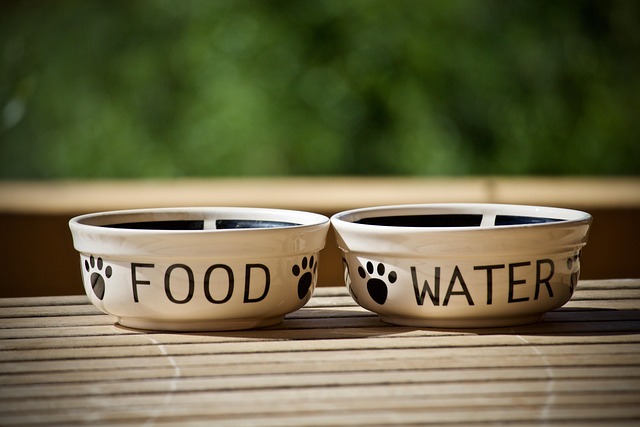
Nutrition remains one of the most important components of preventive healthcare.
Feeding schedules should be based on:
- Species
- Age
- Activity level
- Medical conditions
- Body condition score
While free-feeding may seem convenient, scheduled meals generally provide better control over caloric intake and make it easier to identify appetite changes.
How Often Should You Feed a Dog Per Day?
Most healthy adult dogs do well when fed twice daily.
Common feeding schedule for dogs include:
- Morning meal
- Evening meal
Dividing food into two meals may help:
- Improve digestion
- Reduce hunger between meals
- Support stable energy levels
- Lower the risk of excessive food consumption
Puppies require more frequent feeding because of their rapid growth and higher metabolic demands.
General guidelines include:
- 8–12 weeks: 4 meals daily
- 3–6 months: 3 meals daily
- Over 6 months: 2 meals daily
Large-breed puppies may require individualized feeding plans to support healthy skeletal development.
How Often Should You Feed a Cat Per Day?
Cats naturally consume multiple small meals throughout the day.
For most adult cats, two to four meals daily work well.
In practice, many veterinarians recommend dividing daily calories into several smaller feedings because this more closely resembles natural feline feeding behavior.
Feeding schedule for cats can also help:
- Prevent obesity
- Monitor appetite
- Improve blood sugar regulation
- Support digestive health
Senior cats and cats with certain medical conditions may require customized feeding schedules.
Best Feeding Times for Dogs and Cats (Morning vs Evening Schedule)
Owners often ask whether morning or evening feeding is better.
The answer is simple: consistency matters more than the exact time.
For most households:
Dogs
- Breakfast: 6–8 AM
- Dinner: 5–7 PM
Cats
- Morning feeding
- Evening feeding
- Optional midday feeding
In practice, pets adjust remarkably well when meals occur at predictable times.
Wet Food vs Dry Food in Daily Pet Feeding Routine
Both wet and dry food can be appropriate when nutritionally complete and balanced.
Wet food advantages
- Higher moisture content
- Improved hydration
- Often more palatable
- Helpful for cats with urinary concerns
Dry food advantages
- Convenient storage
- Cost-effective
- Easy portion measurement
- Longer shelf life
Many veterinarians recommend a combination approach, particularly for cats, where additional moisture intake can be beneficial.
Daily Water Intake and Hydration Routine for Pets
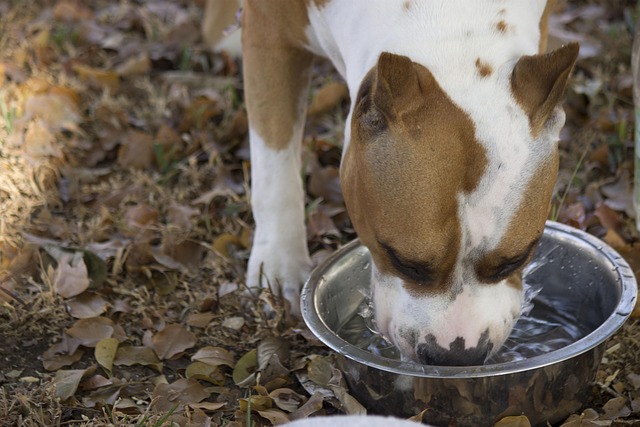
Water is often overlooked despite being one of the most important nutrients.
Even mild dehydration can affect organ function, energy levels, and overall health.
How Much Water Should a Dog Drink Per Day?
Healthy dogs generally consume:
daily water intake for dogs 50–60 mL of water per kilogram of body weight
Examples:
- 5 kg dog: approximately 250–300 mL
- 10 kg dog: approximately 500–600 mL
- 20 kg dog: approximately 1–1.2 liters
Factors influencing water intake include:
- Ambient temperature
- Activity level
- Diet type
- Medical conditions
Dogs eating wet food often drink less water than those eating exclusively dry kibble.
How Much Water Should a Cat Drink Per Day?
Healthy cats typically require:
40–60 mL per kilogram of body weight daily
However, cats naturally have a lower thirst drive than dogs.
This evolutionary adaptation contributes to many urinary and kidney-related problems seen in feline medicine.
In practice, we frequently encourage cat owners to focus on hydration because many cats consume less water than expected.
Signs Your Dog or Cat Is Properly Hydrated
Healthy hydration is reflected in several physical signs:
- Moist gums
- Normal skin elasticity
- Bright eyes
- Normal urination
- Good energy levels
Monitoring hydration becomes especially important during hot weather or illness.
How to Encourage Dogs and Cats to Drink More Water
Many pets benefit from simple hydration strategies:
- Multiple water stations
- Daily water changes
- Pet fountains
- Wet food inclusion
- Flavoring water with low-sodium broth
Cats, in particular, often show a strong preference for moving water.
In our experience, many cats significantly increase water consumption after switching to a fountain.
Read more about ways to encourage pets to drink more water.
Daily Exercise and Activity Routine for Dogs and Cats

Physical activity is essential for maintaining healthy muscles, joints, cardiovascular function, and mental well-being.
Unfortunately, insufficient exercise is one of the most common contributors to obesity in companion animals.
How Often Should You Walk a Dog Each Day?
Most dogs should be walked at least twice daily.
Many healthy adult dogs benefit from:
- Morning walk
- Evening walk
Working breeds and highly active dogs often require additional activity.
The ideal walking schedule depends on:
- Breed
- Age
- Fitness level
- Health status
Regular walks provide both physical exercise and mental stimulation.
How Much Exercise Does a Dog Need Daily?
General recommendations include:
- Small breeds: 30–60 minutes daily
- Medium breeds: 60–90 minutes daily
- High-energy breeds: 90–120+ minutes daily
From clinical experience, behavior problems frequently improve when exercise needs are properly met.
Many owners underestimate how strongly physical activity influences canine behavior.
Grooming and Hygiene in a Daily Pet Care Routine

Grooming is not just about appearance. In veterinary practice, we often see that consistent grooming allows early detection of skin disease, parasites, lumps, and even systemic illness.
How Often Should You Bathe a Dog?
Bathing frequency depends on breed, coat type, lifestyle, and skin condition.
General guidelines:
- Healthy dogs: every 3–6 weeks
- Active/outdoor dogs: as needed
- Dogs with dermatological conditions: only under veterinary guidance
Over-bathing can damage the skin barrier and lead to dryness, itching, and secondary infections.
How Often Should You Brush a Dog or Cat?
Brushing is one of the simplest yet most effective preventive care tools.
- Short-haired dogs: 1–2 times per week
- Long-haired dogs: daily or every other day
- Cats: 2–4 times per week (long-haired cats: daily)
In clinical practice, regular brushing in cats significantly reduces the risk of trichobezoar formation (hairballs), which is a frequent cause of vomiting.
Basic Daily Grooming Routine for Pets at Home
A simple daily check should include:
- Eyes and ear inspection
- Skin and coat condition
- Paw and nail check
- Breath evaluation
- Quick full-body palpation
Owners who perform daily visual checks often detect abnormalities much earlier than those who rely only on annual vet visits.
Preventive Veterinary Care and Health Maintenance
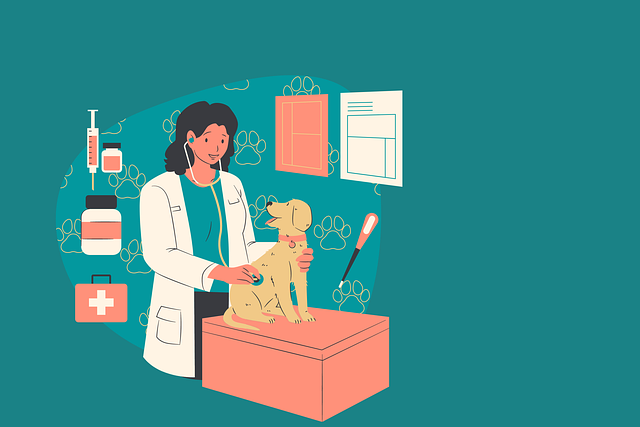
Preventive care is the foundation of long-term health in dogs and cats.
How Often Should Dogs and Cats Visit the Vet?
Recommended schedule:
- Healthy adult pets: once a year
- Senior pets (7+ years): twice a year
- Pets with chronic disease: every 3–6 months or as directed
Regular check-ups allow early detection of conditions such as kidney disease, diabetes, dental disease, and endocrine disorders.
Why Regular Veterinary Check-Ups Are Important
In practice, we often see that chronic diseases are diagnosed late simply because the animal “looked fine” at home.
Routine exams allow:
- Weight monitoring
- Dental and oral health assessment
- Blood and urine screening
- Early detection of age-related changes
Vaccination and Parasite Prevention in Routine Pet Care
Preventive care should always include:
- Core vaccinations
- Flea and tick control
- Regular deworming
Parasites remain a common underlying cause of chronic gastrointestinal issues in both dogs and cats.
Feeding Safety and What Human Foods Pets Can Eat

Understanding safe and unsafe human foods is essential for every pet owner.
What Human Foods Are Safe for Dogs?
Safe options in moderation include:
- Boiled chicken
- Rice
- Eggs (cooked)
- Carrots
- Apples (without seeds)
- Pumpkin
- Green beans
In veterinary practice, these foods are often used in bland diets for gastrointestinal recovery.
Foods Dogs and Cats Should Never Eat
Strictly avoid:
- Chocolate
- Grapes and raisins
- Onions and garlic
- Xylitol-containing products
- Alcohol
- Macadamia nuts
Even small amounts of some of these substances can cause severe toxicity.
Treats vs Regular Food in Pet Diet
Treats should not exceed 10% of daily caloric intake.
A common clinical issue is overfeeding human food, which leads to:
- Obesity
- Nutritional imbalance
- Chronic gastrointestinal problems
Creating a Balanced Daily Schedule for Your Pet

A predictable routine improves both physical and behavioral health.
Example Daily Routine for a Dog
- 07:00 — morning walk + breakfast
- 12:00 — short activity or play session
- 18:00 — evening walk
- 18:30 — dinner
- 20:00 — calm interaction and rest
Example Daily Routine for a Cat
- Morning feeding + short play session
- Midday rest
- Evening feeding + interactive play
- Night-time rest and water access
Cats especially benefit from predictable routines, which reduce stress-related behaviors.
How to Adapt Pet Care Routine for Busy Owners
For busy households:
- Use automatic feeders
- Provide water fountains
- Break walks into shorter sessions
- Use interactive toys for enrichment
In practice, even 10–15 minutes of daily structured interaction can significantly improve behavioral outcomes.
Final Note for Pet Owners
A consistent daily pet care routine for dogs and cats is one of the most effective ways to prevent disease and improve quality of life.
In veterinary practice, we often find that long-term health problems are not sudden—they develop gradually due to the absence of structured daily care.
Frequently Asked Questions
How many times a day should I feed my pet?
Dogs are usually fed 2 times per day, while cats benefit from 2–4 smaller meals depending on age, health status, and lifestyle.
How much exercise does my dog need daily?
Most dogs need between 30 and 120 minutes of daily exercise depending on breed, age, and energy level. Working and active breeds require significantly more activity.
How often should I take my pet to the vet?
Healthy adult pets should visit the veterinarian at least once a year. Senior pets and animals with chronic conditions require check-ups every 3–6 months.
What is a healthy daily routine for cats and dogs?
A healthy routine includes regular feeding, fresh water access, daily exercise, grooming, and preventive veterinary care. Consistency is key for long-term health.