How Much Water Should a Cat Drink Per Day?
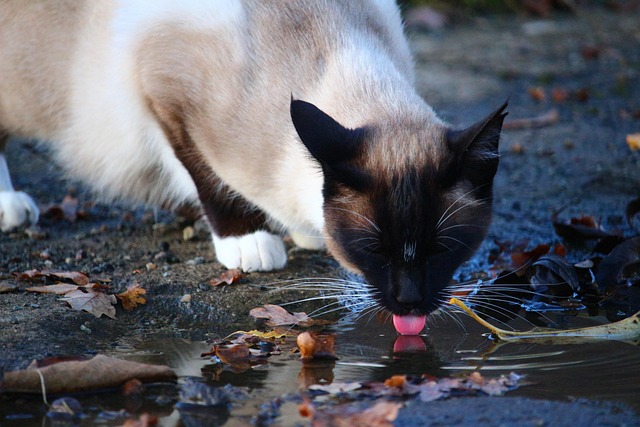
Water is one of the most important nutrients in a cat’s diet, yet it is often overlooked by owners. In veterinary practice, changes in water consumption are among the earliest signs of many common feline diseases, including chronic kidney disease, diabetes mellitus, and hyperthyroidism.
One of the questions we hear most often is: How much water should a cat drink per day? The answer depends on several factors, including body weight, age, diet, activity level, and environmental conditions.
While some variation is normal, both decreased and increased water intake in cats can indicate an underlying health problem. Understanding what is considered normal can help owners recognize changes before more serious symptoms develop.
Daily water intake is only one component of overall pet health. A complete daily pet care routine that combines proper nutrition, hydration, preventive veterinary care, and healthy lifestyle habits provides the best foundation for long-term wellbeing.
Normal Daily Water Intake for Cats
As a general guideline, healthy cats typically consume between 40 and 60 milliliters of water per kilogram of body weight per day.
This total includes water obtained from both drinking and food. Cats eating canned diets often consume less water from a bowl because wet food already contains a significant amount of moisture. Cats fed primarily dry kibble usually need to drink considerably more to meet their daily hydration requirements.
For example:
- A 4 kg (8.8 lb) cat typically requires approximately 160–240 ml of water daily.
- A 5 kg (11 lb) cat typically requires approximately 200–300 ml daily.
- A 6 kg (13.2 lb) cat may require 240–360 ml daily.
In practice, many owners underestimate how much water their cat actually receives from food. This is one reason why measuring water intake can sometimes be challenging at home.
How to Calculate Your Cat’s Daily Water Needs
Although individual requirements vary, calculating daily water intake is relatively straightforward.
A commonly used formula is:
Body weight (kg) × 40–60 ml = daily water requirement
This provides a useful starting point for estimating whether a cat’s water consumption falls within a normal range.
However, veterinarians always interpret water intake in the context of diet, age, medical history, and environmental factors.
Hydration recommendations differ between species, so dog owners should also understand how much water a dog should drink per day, as normal fluid requirements vary considerably between dogs and cats.
Cat Water Intake Per Kilogram of Body Weight
Body weight remains one of the most reliable predictors of hydration requirements.
Average daily water needs include:
| Body Weight | Approximate Daily Water Intake |
|---|---|
| 3 kg | 120–180 ml |
| 4 kg | 160–240 ml |
| 5 kg | 200–300 ml |
| 6 kg | 240–360 ml |
| 7 kg | 280–420 ml |
These values represent average recommendations rather than strict requirements. Some healthy cats may naturally consume slightly more or less water.
Water Needs for Kittens vs Adult Cats vs Senior Cats
Water requirements change throughout a cat’s life.
Kittens generally require proportionally more water because of their rapid growth, higher metabolic rate, and increased activity levels.
Adult cats tend to have relatively stable hydration needs when maintained on a consistent diet.
Senior cats often require closer monitoring. In veterinary practice, increased water consumption is one of the most common concerns reported by owners of older cats. While aging itself can influence drinking behavior, excessive thirst may also be an early sign of chronic kidney disease or endocrine disorders.
Wet Food vs Dry Food and Water Intake Differences
Diet has a major impact on feline hydration.
Wet food typically contains approximately 70–80% moisture, while dry kibble usually contains only 8–10% moisture.
As a result, cats eating canned diets often consume much less water from their bowls while still maintaining adequate hydration.
In contrast, cats fed exclusively dry food must compensate by drinking more water throughout the day.
This difference is important because many owners mistakenly assume their cat is not drinking enough water when, in reality, much of its daily fluid intake comes from food.
Signs Your Cat Is Drinking Enough Water
Monitoring water intake directly can be difficult, especially in multi-cat households. Fortunately, there are several indicators that help veterinarians assess hydration status.
Healthy Hydration Behavior in Cats
A well-hydrated cat typically:
- Maintains normal energy levels
- Eats consistently
- Produces urine regularly
- Has moist gums
- Shows normal skin elasticity
- Demonstrates stable body weight
In practice, healthy hydration is assessed using the overall clinical picture rather than a single observation.
Some cats naturally drink small amounts multiple times per day, while others take fewer but larger drinks.
Normal Urination Frequency in Cats
Urination patterns often provide valuable clues about hydration status.
Most healthy adult cats urinate approximately two to four times daily, although this may vary based on diet and water consumption.
Cats eating wet food frequently produce larger volumes of dilute urine compared to cats consuming dry diets.
Owners should pay attention to sudden changes in litter box habits, as increased or decreased urination may indicate hydration problems or underlying disease.
Signs of Dehydration in Cats
Dehydration occurs when fluid loss exceeds fluid intake.
Mild dehydration may develop gradually and go unnoticed, while severe dehydration can become a medical emergency.
In veterinary practice, dehydration is commonly associated with gastrointestinal disease, kidney disease, diabetes, fever, and reduced water consumption.
Dry Gums and Sunken Eyes in Cats
One of the easiest ways to assess hydration at home is by evaluating the gums.
Healthy gums should feel smooth and moist. Dehydrated cats often develop dry or tacky gums.
In more severe cases, the eyes may appear slightly sunken due to reduced fluid volume within the tissues.
Although these signs can be helpful, they should not replace a veterinary examination when dehydration is suspected.
Lethargy and Weakness in Dehydrated Cats
Dehydrated cats frequently appear tired, less interactive, and less interested in normal activities.
Many owners initially assume their pet is simply resting more than usual. However, lethargy combined with reduced appetite or decreased water consumption should always be taken seriously.
In severe cases, dehydration can impair circulation and organ function, leading to significant weakness.
Loss of Skin Elasticity in Cats
Veterinarians commonly assess hydration using a skin tent test.
When the skin over the shoulders is gently lifted and released, it should return to its normal position quickly.
In dehydrated cats, the skin may remain elevated longer than normal due to reduced elasticity.
While useful, this test is generally more reliable when interpreted by a veterinarian, particularly in senior cats where age-related skin changes may affect results.
Why Is My Cat Drinking More Water Than Usual?
Many owners become concerned when they suddenly notice their cat spending more time at the water bowl. In some situations, increased water intake is completely normal. However, persistent or significant changes in drinking behavior should never be ignored.
In veterinary practice, excessive thirst is one of the most common reasons owners bring senior cats in for evaluation. Often, increased water consumption is not the disease itself but an early symptom of an underlying medical condition.
A useful rule of thumb is this: if you find yourself repeatedly refilling the water bowl or cleaning noticeably larger urine clumps from the litter box, it may be worth monitoring your cat’s daily water intake more closely.
Excessive Thirst (Polydipsia) in Cats
The medical term for increased water consumption is polydipsia.
While exact definitions vary, veterinarians generally become concerned when a cat consistently drinks more than approximately 100 ml of water per kilogram of body weight per day.
Polydipsia is often accompanied by polyuria, which means increased urine production. These two signs frequently occur together because the body is attempting to compensate for an underlying metabolic or hormonal imbalance.
The challenge for owners is that increased thirst often develops gradually. Because the change happens slowly, it may go unnoticed for weeks or even months.
Kidney Disease and Increased Water Intake
Chronic kidney disease (CKD) is one of the most common causes of increased water intake in older cats.
Healthy kidneys conserve water and maintain proper fluid balance. As kidney function declines, the kidneys lose their ability to concentrate urine effectively. As a result, affected cats produce larger volumes of dilute urine and must drink more water to compensate.
In practice, many cats with early kidney disease appear otherwise healthy. Increased thirst and more frequent urination are often the first signs owners notice.
Additional symptoms may include:
- Weight loss
- Reduced appetite
- Poor coat quality
- Intermittent vomiting
- Increased sleeping
Because kidney disease is progressive, early diagnosis through blood and urine testing can significantly improve long-term management.
Diabetes Mellitus and Increased Thirst in Cats
Diabetes mellitus is another common cause of excessive drinking in cats.
When blood glucose levels become elevated, excess sugar is excreted through the urine. Water follows this sugar loss, leading to increased urination and compensatory thirst.
Cats with diabetes often show a characteristic combination of signs:
- Increased water consumption
- Increased urination
- Weight loss despite a good appetite
- Muscle loss
- Reduced activity
In our practice, many owners initially report only increased thirst. Routine blood work then reveals elevated glucose levels that confirm the diagnosis.
Hyperthyroidism and Water Consumption in Cats
Hyperthyroidism is frequently diagnosed in middle-aged and senior cats.
This condition occurs when the thyroid gland produces excessive amounts of thyroid hormone, causing the body’s metabolism to accelerate.
Many hyperthyroid cats develop:
- Increased thirst
- Increased appetite
- Weight loss
- Hyperactivity
- Elevated heart rate
Because these symptoms can overlap with kidney disease and diabetes, blood testing is essential for obtaining an accurate diagnosis.
When Increased Water Intake Is Normal
Not every increase in water consumption indicates disease.
In practice, we commonly see temporary increases in water intake associated with:
- Hot weather
- Increased physical activity
- Transition to a dry food diet
- Pregnancy or lactation
- Recovery from mild illness
The key difference is that physiologic increases are usually temporary and occur alongside an otherwise healthy cat.
If increased thirst persists for more than a few days or continues to worsen, further investigation is recommended.
Environmental Factors Affecting Cat Water Intake
Several environmental factors can influence how much water a cat drinks.
Common examples include:
- Ambient temperature
- Humidity levels
- Household heating systems
- Physical activity
- Stress
- Number and location of water bowls
Interestingly, many cats prefer drinking from locations away from their food bowls. In multicat households, competition for resources can also affect drinking behavior.
This is one reason why providing multiple water stations throughout the home often improves hydration.
How to Encourage Your Cat to Drink More Water
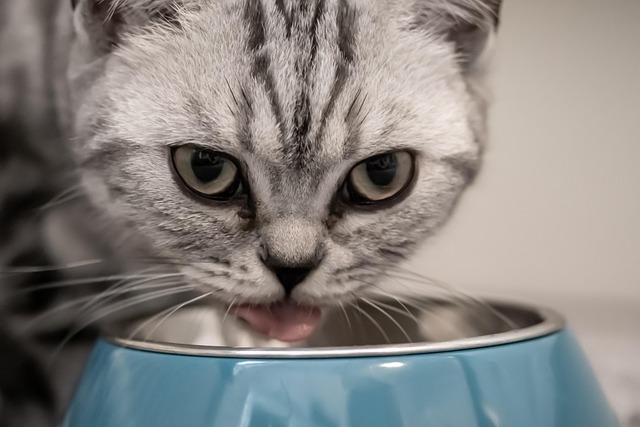
Many cats have a naturally low thirst drive because their ancestors obtained much of their water from prey.
As veterinarians, we frequently recommend proactive hydration strategies, particularly for cats with kidney disease, urinary tract issues, or a history of dehydration.
Best Water Bowls and Fountain Types for Cats
The type of water source can make a surprisingly large difference.
Many cats prefer:
- Wide, shallow bowls
- Stainless steel or ceramic dishes
- Flowing water fountains
- Multiple water stations throughout the home
In practice, pet fountains are often one of the simplest ways to increase water intake. Some cats that rarely drink from a bowl will readily use a fountain.
Water fountains are only one of several strategies that can improve hydration. Combining multiple approaches is often the most effective way to keep pets well hydrated, especially during hot weather or in animals with increased fluid requirements.
Regular cleaning is essential, as many cats are sensitive to odors and debris in their water source.
Wet Food Diet for Better Hydration
One of the most effective ways to improve feline hydration is through diet.
Wet food contains significantly more moisture than dry kibble and naturally increases total daily water intake.
For cats that struggle to drink enough water, switching from an exclusively dry diet to a partially or fully wet food diet often provides measurable benefits.
In some cases, veterinarians may also recommend adding small amounts of water to canned food to further increase fluid consumption.
While diet alone will not treat underlying disease, it can play an important role in maintaining hydration and supporting urinary tract health.
When to See a Veterinarian About Water Intake Changes
Minor day-to-day fluctuations in water consumption are normal.
However, veterinary evaluation is recommended if you notice:
- A sudden increase in water intake
- Excessive thirst lasting more than several days
- Increased urination
- Weight loss
- Reduced appetite
- Vomiting
- Lethargy
- Signs of dehydration
- Changes in litter box habits
One of the most important messages we share with cat owners is that increased drinking is often an early warning sign. Conditions such as chronic kidney disease, diabetes mellitus, and hyperthyroidism are far easier to manage when diagnosed before severe clinical signs develop.
Monitoring your cat’s drinking habits may seem simple, but it can provide valuable information about their overall health.
Conclusion
Understanding how much water a cat should drink per day is an important part of responsible pet ownership. Most healthy cats require approximately 40–60 ml of water per kilogram of body weight daily, although individual needs vary based on age, diet, activity level, and environmental conditions.
Changes in water consumption deserve attention because they are often among the earliest indicators of disease. Increased thirst, excessive urination, dehydration, and changes in appetite should never be dismissed as normal aging.
In veterinary practice, careful monitoring of water intake frequently helps identify conditions such as chronic kidney disease, diabetes mellitus, and hyperthyroidism before they become advanced.
If you notice persistent changes in your cat’s drinking behavior, a veterinary examination and appropriate diagnostic testing can help determine whether the change is normal or a sign of an underlying medical condition.
Frequently Asked Questions
How much water should a cat drink per day?
Most healthy cats require approximately 40–60 ml of water per kilogram of body weight daily. This includes water obtained from both drinking and food. Cats fed wet food often drink less water directly because canned diets already contain a high moisture content.
How much water should a 10-pound cat drink?
A 10-pound (4.5 kg) cat typically needs around 180–270 ml of water per day. Individual requirements may vary depending on diet, activity level, and environmental conditions.
Why is my cat drinking more water than usual?
Increased water consumption may occur due to hot weather, dietary changes, or increased activity. However, persistent excessive thirst can also be associated with chronic kidney disease, diabetes mellitus, hyperthyroidism, and other medical conditions.
Can cats become dehydrated even if water is available?
Yes. Cats can develop dehydration despite having access to water if they are losing fluids faster than they can replace them. Common causes include vomiting, diarrhea, kidney disease, diabetes, and certain infections.
Is wet food enough to keep a cat hydrated?
Many cats obtain a substantial portion of their daily water requirement from wet food. Because canned diets contain 70–80% moisture, they often help maintain better hydration compared with dry food alone.
When should I worry about my cat's water intake?
You should contact a veterinarian if you notice a sudden increase or decrease in water consumption, increased urination, weight loss, vomiting, lethargy, or other changes in your cat’s normal behavior.