Anemia in Cats: Symptoms and Blood Test Findings
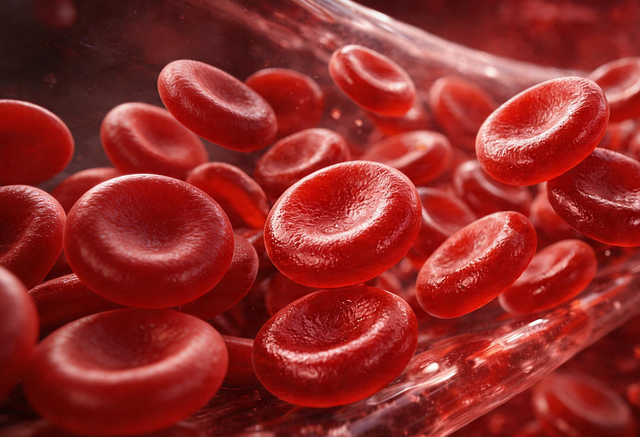
Anemia in cats is one of the most common abnormalities we encounter during routine blood testing, especially in senior cats and patients with chronic medical conditions. However, many cat owners are surprised when they hear the diagnosis because anemia itself is not actually a disease. It is a clinical finding that tells us something else is happening inside the body.
In simple terms, feline anemia occurs when there are not enough healthy red blood cells circulating in the bloodstream. Since red blood cells are responsible for delivering oxygen to tissues and organs, a reduction in their number affects virtually every system in the body.
One of the challenges with anemia in cats is that the condition often develops gradually. Cats are exceptionally good at hiding illness, so early symptoms may be subtle and easy to overlook. In many cases, owners simply notice that their cat is sleeping more than usual, becoming less active, or showing less interest in food. By the time obvious symptoms appear, blood test findings may already reveal significant changes.
What Is Anemia in Cats?
Anemia in cats is defined as a decrease in red blood cells (RBCs), hemoglobin concentration, or hematocrit (HCT/PCV) below normal reference ranges.
While that definition sounds straightforward, anemia is actually a symptom rather than a diagnosis. In practice, discovering anemia is often just the beginning of the diagnostic process.
When red blood cell numbers fall, the body’s tissues receive less oxygen. The heart and lungs attempt to compensate by working harder, but over time this compensation becomes insufficient. Depending on the severity of the anemia, cats may develop weakness, pale gums, increased respiratory effort, or even collapse.
In veterinary medicine, one of the first questions we ask after diagnosing feline anemia is not “How low is the hematocrit?” but rather “Why is this cat anemic?” The answer determines both treatment and prognosis.
Anemia may develop suddenly because of acute blood loss or red blood cell destruction, or it may progress slowly over weeks or months as a result of chronic kidney disease, inflammatory disorders, cancer, or bone marrow dysfunction.
Common Symptoms of Anemia in Cats
The symptoms of cat anemia vary considerably depending on how quickly the condition develops and how severe the oxygen deficit becomes.
A cat with slowly progressive anemia may appear relatively normal despite significantly abnormal blood work, while a cat experiencing sudden blood loss can become critically ill within hours.
Pale Gums in Cats
Pale gums are often one of the earliest physical signs of anemia.
Healthy cats usually have light pink mucous membranes. As red blood cell numbers decline, the gums may become noticeably paler and, in severe cases, almost white.
During every physical examination, veterinarians assess gum color because it provides immediate information about blood circulation and oxygen-carrying capacity.
That said, pale gums are not always caused by anemia. Poor circulation, shock, or severe cardiovascular disease can create a similar appearance, which is why blood testing remains essential.
Weakness and Lethargy
Lethargy is among the most common cat anemia symptoms reported by owners.
In practice, many owners describe their cat as “just slowing down” or “acting older.” Cats with anemia often spend more time resting, stop jumping onto favorite surfaces, and lose interest in normal activities.
These changes occur because muscles are receiving less oxygen than they require for normal function.
The challenge is that lethargy is a nonspecific symptom and can occur with dozens of diseases. Blood testing is often what reveals anemia as the underlying contributor.
Loss of Appetite
A reduced appetite is frequently associated with feline anemia, particularly when chronic disease is involved.
Some cats gradually eat less over several weeks, while others develop a sudden loss of appetite if the anemia is severe or rapidly progressing.
As veterinarians, we pay close attention to appetite changes because poor food intake can worsen weakness and delay recovery.
Rapid Breathing and Increased Heart Rate
When oxygen delivery decreases, the body naturally attempts to compensate.
As a result, cats with anemia may develop:
- Increased respiratory rate
- Faster heart rate
- Reduced exercise tolerance
- Labored breathing after minimal activity
In severe cases, owners may notice open-mouth breathing or pronounced respiratory effort. These signs require immediate veterinary evaluation, as they may indicate a critically low red blood cell count.
What Causes Anemia in Cats?
There is no single cause of anemia in cats.
From a diagnostic standpoint, we generally divide causes into three major categories:
- Blood loss
- Red blood cell destruction (hemolysis)
- Decreased red blood cell production
Identifying which category applies to an individual patient is often the most important step in determining appropriate treatment.
Blood Loss Anemia in Cats
Blood loss anemia is one of the most common forms of feline anemia.
Acute blood loss may occur following:
- Trauma
- Surgical complications
- Internal hemorrhage
- Ruptured tumors
Chronic blood loss is often more difficult to recognize because it develops gradually.
In practice, chronic blood loss is commonly associated with:
- Severe flea infestations
- Intestinal parasites
- Gastrointestinal ulcers
- Chronic inflammatory bowel disease
- Bleeding gastrointestinal tumors
Even small amounts of ongoing blood loss can eventually overwhelm the body’s ability to replace red blood cells.
Hemolytic Anemia in Cats
Hemolytic anemia develops when red blood cells are destroyed faster than they can be replaced.
Although less common than blood loss anemia, hemolytic disorders can become severe very quickly.
Potential causes include:
- Immune-mediated hemolytic anemia (IMHA)
- Infectious diseases
- Blood parasites
- Certain toxins
- Adverse drug reactions
One important feature of hemolytic anemia is that the bone marrow often responds aggressively by producing large numbers of new red blood cells, leading to regenerative anemia on laboratory testing.
Anemia of Chronic Disease
Chronic illnesses frequently interfere with normal red blood cell production.
The most common examples include:
- Chronic kidney disease
- Cancer
- Long-standing inflammatory disorders
- Severe systemic infections
Among these, chronic kidney disease is one of the leading causes of non-regenerative anemia in older cats.
This occurs because diseased kidneys produce less erythropoietin, the hormone responsible for stimulating red blood cell production within the bone marrow.
Nutritional Deficiencies and Anemia
Nutritional causes of anemia receive a great deal of attention online, but they are actually less common than many owners assume.
Iron deficiency, vitamin B12 deficiency, and folate deficiency can contribute to anemia, but in cats these problems are often secondary to gastrointestinal disease, chronic blood loss, or malabsorption rather than poor diet alone.
For this reason, simply supplementing nutrients without identifying the underlying cause rarely solves the problem.
Blood Test Findings in Cats With Anemia
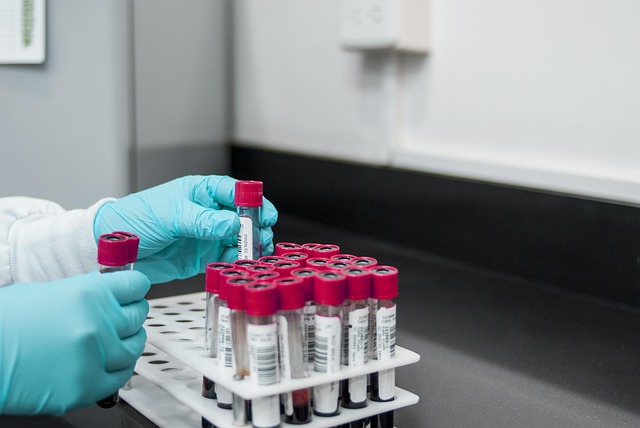
When we suspect anemia in cats, a complete blood count (CBC) is usually the first and most important diagnostic test. While owners often focus on a single abnormal value highlighted in the laboratory report, veterinarians evaluate several parameters together to understand both the severity of the anemia and its likely cause.
One of the most common misconceptions is that a low red blood cell count automatically tells us why a cat is anemic. In reality, blood test findings in cats provide clues, but additional diagnostics are often needed to identify the underlying disease.
Low Red Blood Cell Count (RBC)
A low RBC count is one of the defining laboratory findings in feline anemia.
Red blood cells are responsible for transporting oxygen throughout the body. When RBC numbers decline, tissues receive less oxygen, which explains many of the clinical signs associated with anemia, including weakness, lethargy, exercise intolerance, and increased respiratory effort.
In practice, a low RBC value confirms that anemia is present, but it does not reveal whether the problem is blood loss, red blood cell destruction, or inadequate production by the bone marrow.
Low Hematocrit (HCT/PCV)
Hematocrit (HCT) and packed cell volume (PCV) measure the percentage of blood made up of red blood cells.
Among all blood test findings in cats with anemia, hematocrit is often the parameter veterinarians pay closest attention to because it provides a quick assessment of severity.
For example, a mildly decreased hematocrit may indicate chronic disease that has developed gradually over time. On the other hand, a critically low PCV can indicate a medical emergency requiring immediate stabilization and potentially a blood transfusion.
In emergency settings, PCV is often one of the first values assessed because it can be measured rapidly and provides immediate information about the patient’s status.
Low Hemoglobin Levels
Hemoglobin is the protein inside red blood cells responsible for carrying oxygen.
When hemoglobin levels decrease, the blood’s ability to deliver oxygen to tissues is reduced, regardless of the total blood volume.
Low hemoglobin is commonly seen alongside low RBC and low hematocrit values. Together, these abnormalities confirm the presence of anemia and help quantify its severity.
Reticulocyte Count and Regenerative Anemia
One of the most valuable yet frequently overlooked blood test parameters is the reticulocyte count.
Reticulocytes are immature red blood cells recently released from the bone marrow. Measuring their numbers helps determine whether the body is responding appropriately to anemia.
In everyday veterinary practice, reticulocyte counts often provide some of the most important diagnostic information. A high reticulocyte count indicates that the bone marrow recognizes the problem and is actively attempting to replace lost red blood cells.
This pattern is characteristic of regenerative anemia in cats and often suggests blood loss or hemolysis rather than bone marrow failure.
Regenerative vs Non-Regenerative Anemia in Cats
Differentiating regenerative from non-regenerative anemia is one of the most important steps in the diagnostic workup of feline anemia.
In fact, before pursuing advanced testing, veterinarians often determine whether the bone marrow is responding appropriately because this immediately narrows the list of possible causes.
Regenerative Anemia in Cats
Regenerative anemia occurs when the bone marrow responds appropriately by increasing red blood cell production.
Common causes include:
- Blood loss
- Internal bleeding
- Trauma
- Flea infestations
- Intestinal parasites
- Hemolytic anemia
- Immune-mediated destruction of red blood cells
In these patients, elevated reticulocyte counts indicate that the body is actively trying to restore normal oxygen-carrying capacity.
Non-Regenerative Anemia in Cats
Non-regenerative anemia develops when the bone marrow does not produce enough new red blood cells.
This form of anemia is particularly common in older cats.
Frequent causes include:
- Chronic kidney disease
- Bone marrow disorders
- Cancer
- Chronic inflammatory disease
- FeLV infection
- Certain medications
In practice, chronic kidney disease is one of the leading causes of non-regenerative anemia in cats. As kidney function declines, erythropoietin production decreases, resulting in reduced stimulation of the bone marrow.
This distinction between regenerative and non-regenerative anemia helps guide further diagnostics and treatment decisions.
How Veterinarians Diagnose Anemia in Cats
Diagnosing feline anemia involves much more than identifying low RBC values on a laboratory report.
The real challenge is determining why the anemia developed.
Depending on the patient’s history, physical examination findings, and blood test results, additional diagnostics may include:
- Complete blood count (CBC)
- Blood smear evaluation
- Reticulocyte count
- Serum biochemistry profile
- Urinalysis
- Fecal parasite testing
- FeLV and FIV testing
- Abdominal ultrasound
- Thoracic radiographs
- Bone marrow evaluation in selected cases
In clinical practice, every anemic patient requires an individualized diagnostic approach. A young cat with flea-associated blood loss anemia requires a very different workup than a senior cat with chronic kidney disease and non-regenerative anemia.
Treatment Options for Anemia in Cats
There is no single treatment for anemia in cats because anemia is not a disease itself.
Successful anemia treatment in cats depends entirely on identifying and addressing the underlying cause.
Potential treatment options include:
- Blood transfusions
- Iron supplementation
- Vitamin B12 supplementation
- Parasite control
- Treatment of infectious diseases
- Immunosuppressive medications
- Management of chronic kidney disease
- Surgical correction of bleeding lesions
- Cancer therapy when indicated
One of the most important points owners should understand is that treating anemia without addressing the underlying disease rarely provides long-term improvement.
For example, a blood transfusion can temporarily stabilize a severely anemic patient, but if internal bleeding continues or immune-mediated destruction persists, anemia will return.
Cats with severe anemia often require hospitalization, oxygen support, intravenous fluids, and close monitoring until their condition stabilizes.
Can Cats Recover From Anemia?
One of the most common questions owners ask is whether cats can recover from anemia.
The answer depends largely on the underlying diagnosis.
In many cases, recovery is excellent once the primary cause is identified and treated. Cats with parasite-associated blood loss anemia or mild hemorrhage often return to normal following appropriate therapy.
However, prognosis varies depending on several factors:
- Severity of anemia
- Duration of disease
- Age of the patient
- Underlying cause
- Presence of concurrent illnesses
- Response to treatment
Some cats with chronic kidney disease, cancer, or bone marrow disorders may require long-term management rather than complete resolution.
In practice, the earlier anemia is detected, the better the overall prognosis tends to be.
When Is Anemia in Cats an Emergency?
Not every case of feline anemia requires emergency treatment, but some situations demand immediate veterinary attention.
Owners should seek urgent care if a cat develops:
- Collapse
- Severe lethargy
- Difficulty breathing
- White or extremely pale gums
- Rapid deterioration
- Signs of internal bleeding
- Weakness severe enough to prevent normal movement
These symptoms may indicate critically low oxygen delivery to vital organs.
Cats experiencing acute blood loss or severe hemolytic anemia can deteriorate rapidly, sometimes within hours. Early intervention may be lifesaving.
Conclusion
Anemia in cats is not a diagnosis but a clinical sign that should always be taken seriously. Whether caused by blood loss, hemolytic disease, chronic kidney disease, cancer, or bone marrow disorders, feline anemia indicates that the body’s oxygen-carrying capacity has been compromised.
Common cat anemia symptoms such as pale gums, lethargy, appetite loss, and breathing changes should never be ignored. Likewise, blood test findings in cats—including low RBC counts, decreased hematocrit, low hemoglobin levels, and abnormal reticulocyte counts—provide essential information that helps veterinarians identify the underlying cause.
Early diagnosis, thorough investigation, and targeted treatment remain the keys to achieving the best possible outcome for cats affected by anemia.
Frequently Asked Questions
What Is the Normal Hematocrit Range in Cats?
Most healthy adult cats have a hematocrit (HCT or PCV) ranging from approximately 30% to 45%, although reference intervals may vary slightly between laboratories. In practice, veterinarians interpret hematocrit values alongside other CBC findings and the cat’s clinical condition rather than relying on a single number.
Can Fleas Cause Anemia in Cats?
Yes. Severe flea infestations can lead to chronic blood loss and may cause significant anemia, particularly in kittens, elderly cats, and debilitated animals. In veterinary practice, flea-associated blood loss anemia is still seen, especially in cats that do not receive regular parasite prevention.
Is Anemia in Cats Fatal?
Anemia can become life-threatening if red blood cell levels fall low enough to impair oxygen delivery to vital organs. However, many cases of feline anemia can be successfully treated when the underlying cause is identified early and appropriate therapy is started promptly.
What Does Low RBC Mean in a Cat Blood Test?
A low RBC count means there are fewer circulating red blood cells than normal. This finding supports a diagnosis of anemia but does not identify the cause. Additional testing is usually necessary to determine whether the anemia is due to blood loss, red blood cell destruction, or decreased production within the bone marrow.
Can Indoor Cats Develop Anemia?
Absolutely. Indoor cats can develop anemia due to chronic kidney disease, cancer, autoimmune disorders, infectious diseases, bone marrow conditions, and nutritional deficiencies. Outdoor access is not required for anemia to occur.
How Long Does It Take a Cat to Recover From Anemia?
Recovery time depends on the severity of the anemia and its underlying cause. Some cats begin improving within a few weeks after treatment, while others with chronic diseases may require long-term management and repeated blood testing. Regular follow-up CBC evaluations help monitor recovery and treatment response.